India’s cities are changing faster than ever. With rising populations, denser infrastructure, and growing climate concerns, urban mobility has become one of the country’s most pressing challenges. The traditional ways people and businesses move, characterised by high fuel consumption, traffic bottlenecks, and air pollution, are no longer sustainable.
This is where sustainable transport comes into focus. More than just a green alternative, it’s a structural solution to how we design cities, build infrastructure, and support the health and productivity of urban residents. In the corporate world, companies are now leveraging sustainable urban mobility solutions to transform how employees commute, improving efficiency while contributing to broader climate goals.
What Makes Transport Truly Sustainable?
Sustainable transport is defined by its ability to meet the current mobility needs of society without compromising environmental integrity, economic feasibility, or social equity. It hinges on:
- Reduced emissions via electric vehicles (EVs), shared mobility, and optimised routing
- Lower congestion through smarter traffic flows and fewer single-occupancy vehicles
- Improved accessibility, ensuring that safe, efficient, and reliable transport is available to all employees, regardless of location or shift timing
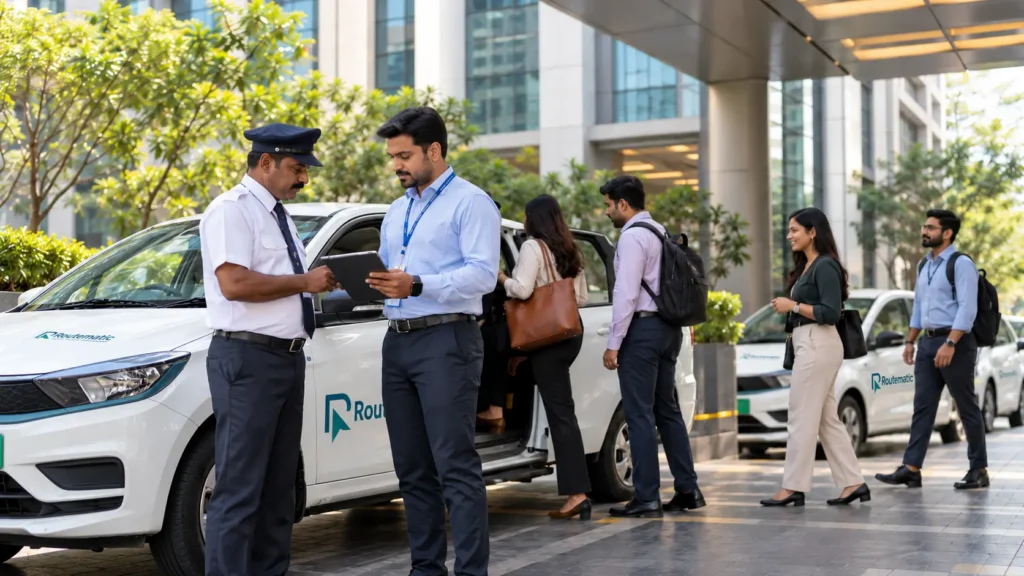
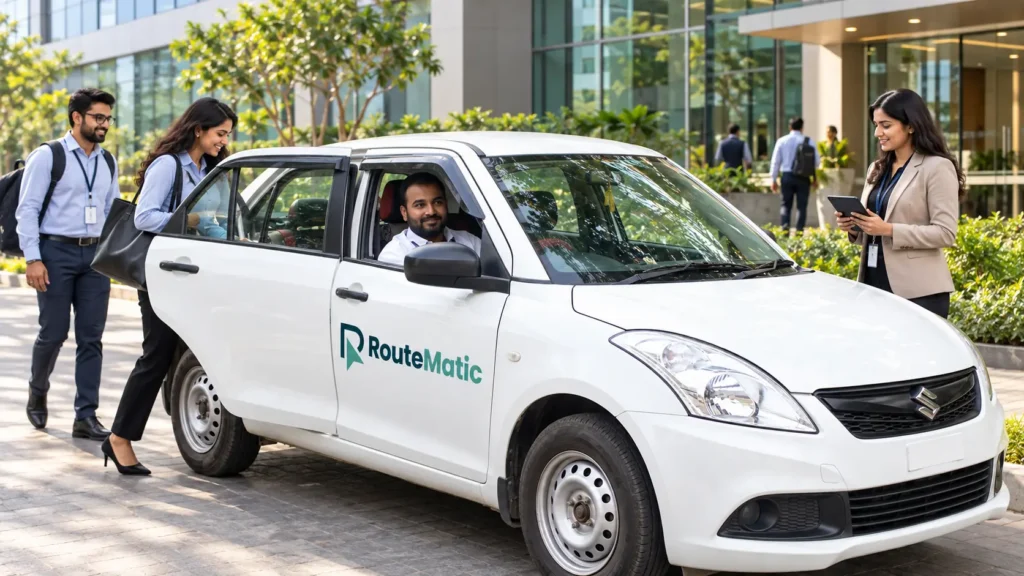
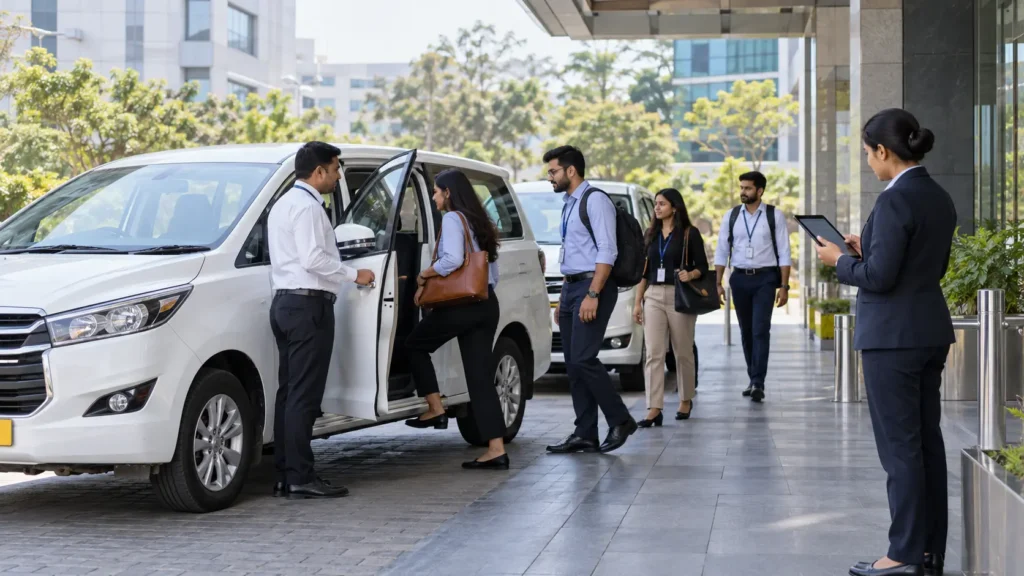
In India’s corporate corridors, where shift work, long hours, and remote catchment areas are common, employee transportation often mirrors the inefficiencies of larger urban mobility. Tackling this is both an operational and ecological priority.
How Corporates Are Shaping Mobility in India
Organisations are increasingly adopting sustainable urban mobility solutions not just to meet ESG targets, but also to enhance employee experience, safety, and cost control.
1. Fleet Electrification
Shifting from diesel-powered cabs to electric shuttles dramatically cuts down on emissions. According to the Ministry of Heavy Industries’ FAME II policy, the Indian government subsidises electric vehicles to boost adoption. Companies like Infosys and TCS have already integrated EVs into their employee commute programs.
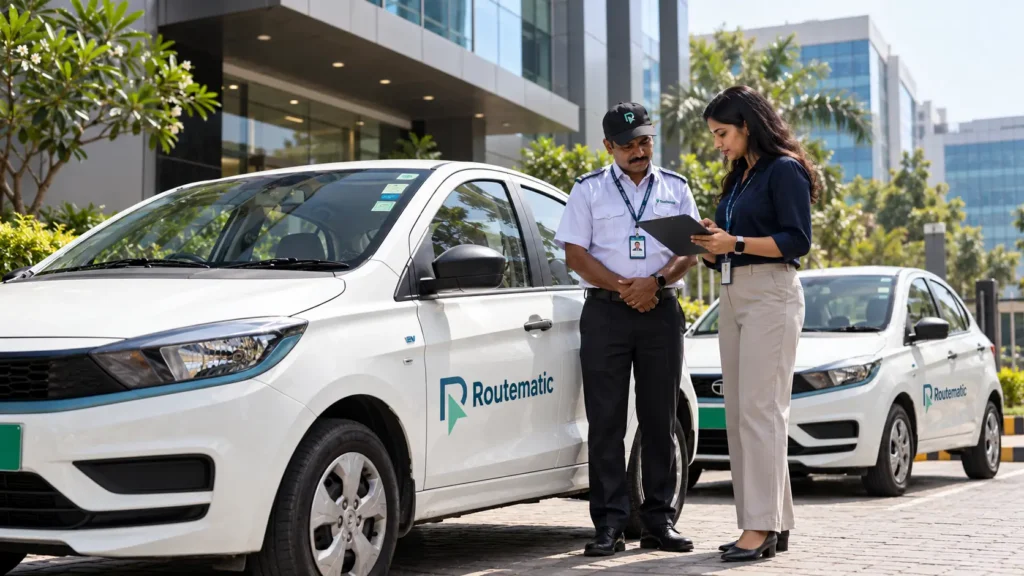
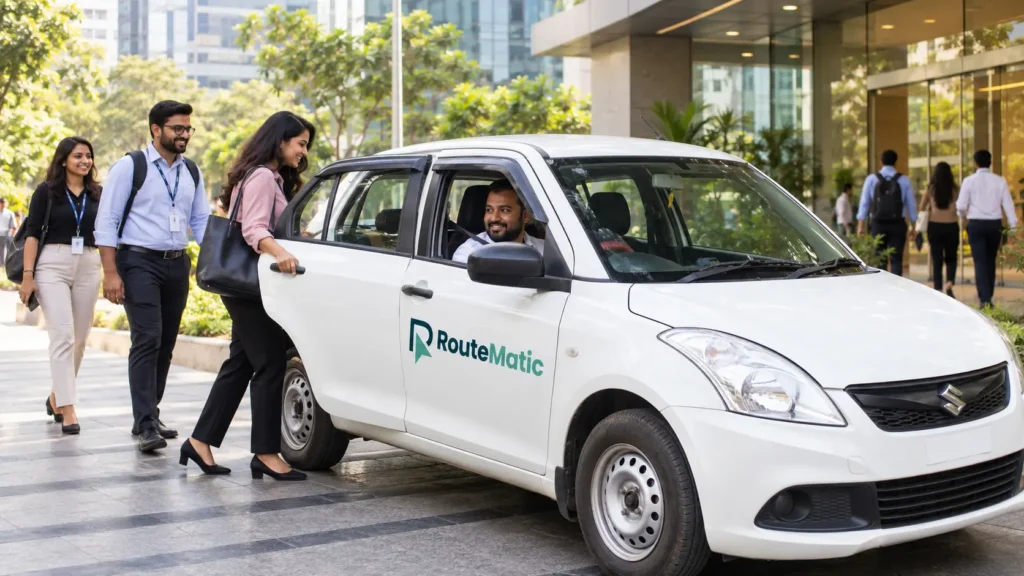
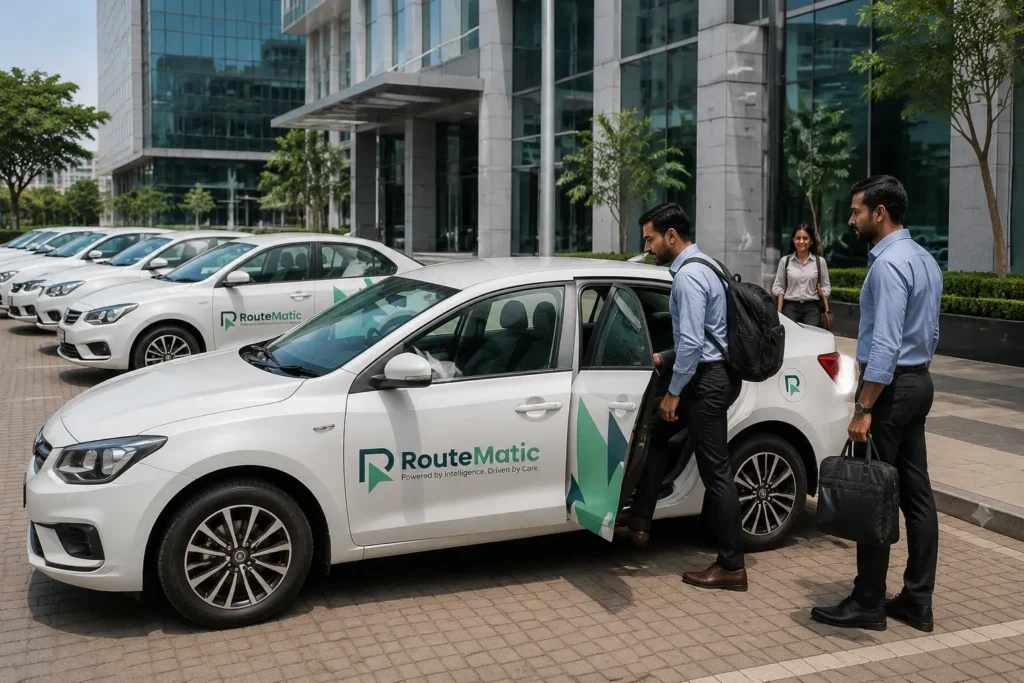
At mobility platforms such as RouteMatic, we make this transition seamless by offering fleet management systems with EV-readiness, helping corporates reduce their carbon footprint while staying operationally efficient.
AI-powered routing ensures that routes are optimised in real-time based on traffic, shift timings, and pickup clusters. This reduces empty kilometres, minimises wait times, and improves fuel efficiency.
2. Smarter Routing and Trip Sharing
RouteMatic, for instance, uses dynamic route planning and shared shuttles to reduce dead mileage. According to their internal estimates, organisations using their system see up to 30% improvement in fleet utilisation and significant fuel savings.
3. Carbon Tracking and ESG Reporting
Many corporations now include Scope 3 emissions (indirect emissions such as employee travel) in their ESG reporting. Tracking carbon output from transport helps quantify sustainability performance, enabling businesses to make data-backed decisions.
With RouteMatic’s dashboards, companies can track metrics like “CO₂ saved per month” or “kilometres pooled,” making ESG alignment tangible and actionable.
The Bigger Picture: Urban Liveability and Business Continuity
Investing in sustainable transport is not just about image, it’s about resilience. Cities like Bengaluru, Pune, and Gurugram lose thousands of productive hours daily due to poor traffic conditions. Employees arriving late, tired, or demotivated directly impact team output and morale.
By embracing sustainable urban mobility solutions, companies are reducing that friction. They’re making daily commuting safer, faster, and greener, not just for individuals, but for entire cities. And in doing so, they’re aligning business continuity with environmental responsibility.
Conclusion: From Commute to Contribution
Sustainability is no longer a department; it’s a strategy. And transportation, often overlooked, plays a pivotal role in that story. For Indian corporates navigating rapid growth and increasing ESG scrutiny, the employee commute is a strategic lever.
At RouteMatic, we are proving that sustainable transport doesn’t require compromise. With the right technology and intent, it’s possible to reduce costs, improve employee wellbeing, and support cleaner, more liveable cities, all at once.
The road to sustainability doesn’t start at the policy level; it begins with how your people get to work.