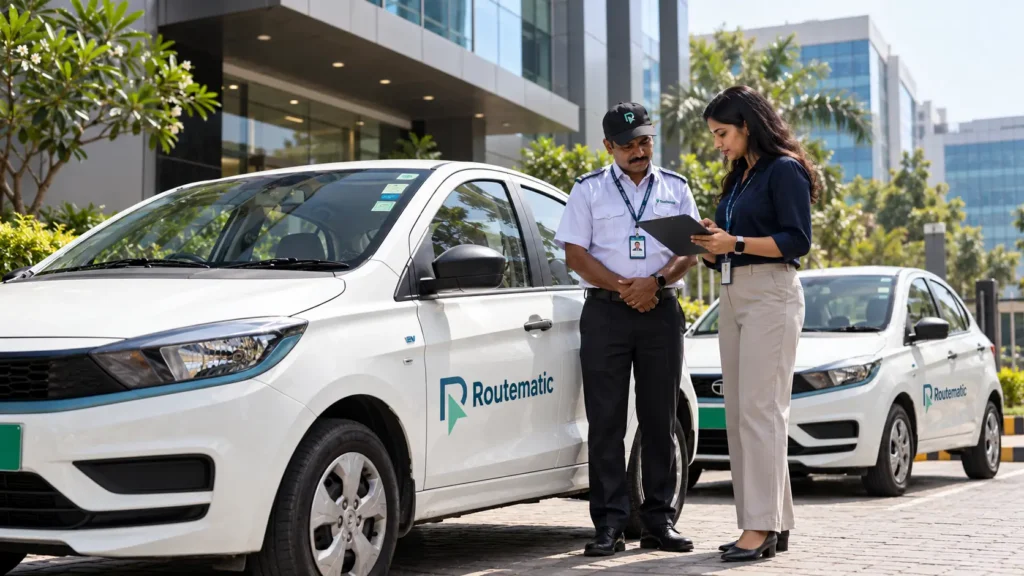
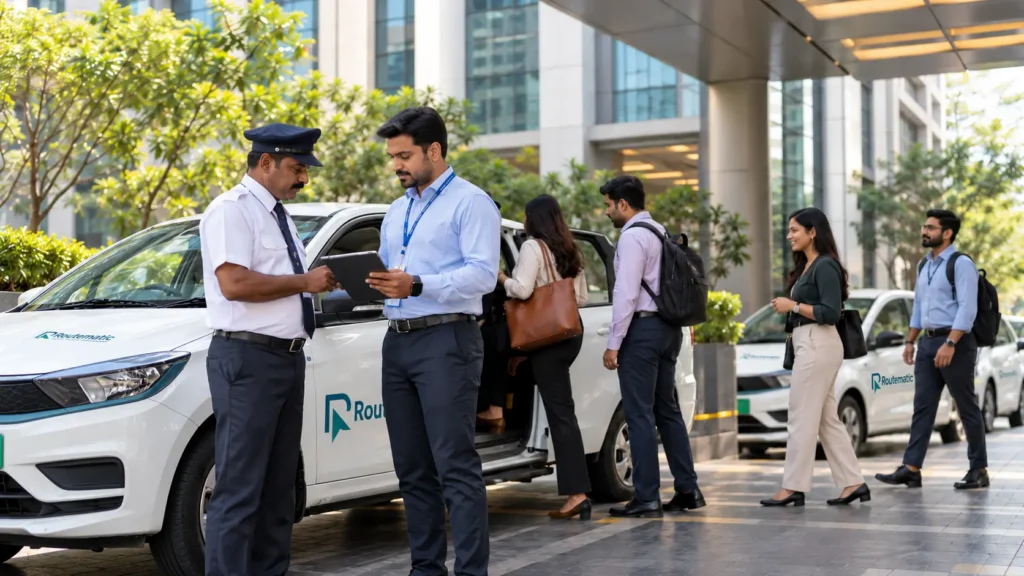
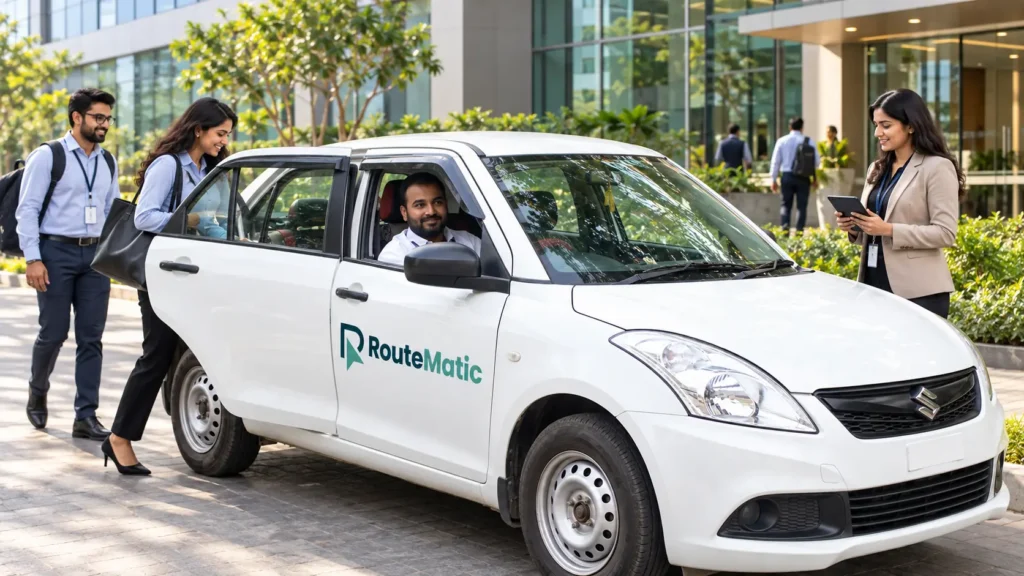
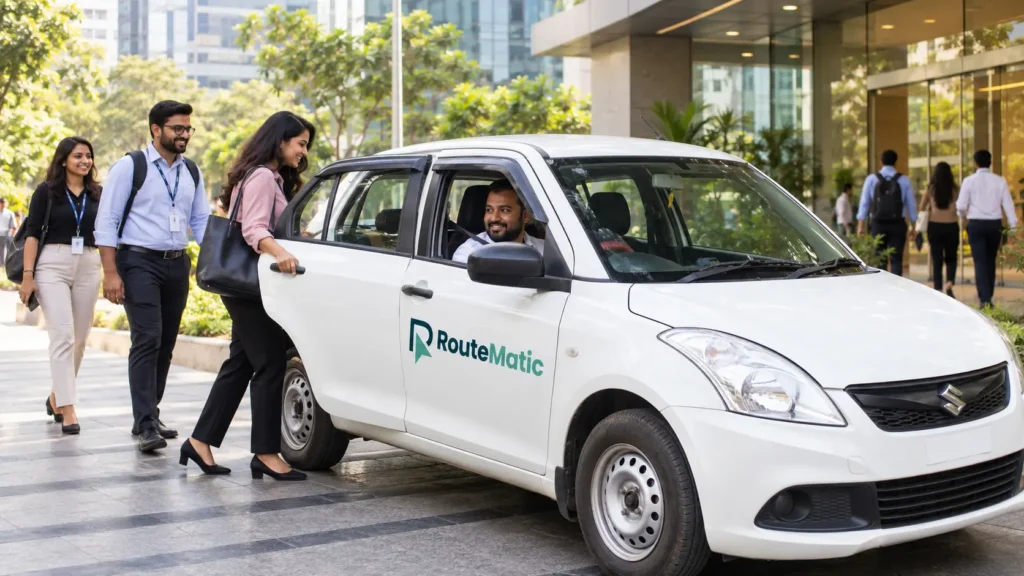
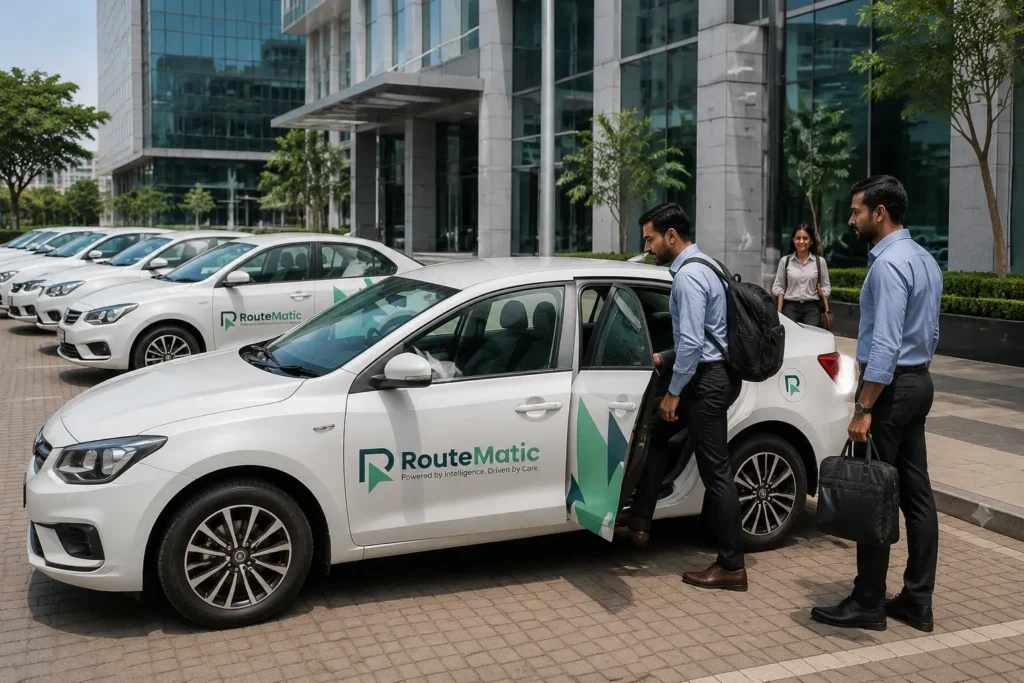
Today, business operations are incomplete without employee transportation. Employees are more prone to join companies that offer safe, reliable, and compliant transport systems for their workforce, especially in sectors such as IT, BPO, healthcare, and manufacturing.
Safety and compliance in employee transportation become even more important when businesses start operating in multiple cities or have round-the-clock shifts. The need for safety is more prominent, considering that India reported over 4.6 lakh road accidents in 2022.
In fact, by March 2025, there were over 34 million commercial vehicles registered in the country. This enormous scale explains why corporate transport compliance in India is so important.
TL;DR
- Safety and compliance in employee transportation help businesses reduce risks, protect employees, and meet regulatory requirements.
- A compliant transport system focuses on verified drivers, vehicle checks, real-time tracking, documentation, and emergency response.
- Technology-driven solutions simplify compliance management through automated alerts, digital records, and monitoring.
- Strong transport practices improve employee trust, operational efficiency, and workplace safety across locations.
Why Safety and Compliance Matter in Employee Transportation?
For businesses, transportation is not just about moving employees from one location to another. When a transport system is poorly managed, it can create legal risks, employee dissatisfaction, and significant operational disruptions.
Strong employee transport safety compliance helps businesses by:
- Improving trust and safety for employees
- Ensuring compliance with labour and transport regulations
- Reducing delays and other transport-related issues
- Improving employee productivity and punctuality
- Minimising operational risks
- Strengthening the company’s reputation
This is especially important for organisations operating late-night shifts or managing women’s employee transportation. Companies are expected to follow strict safety measures and maintain proper monitoring systems.
The need for better corporate transport compliance in India is increasing as businesses focus more on employee wellbeing and workplace safety.
Demystifying the Legal Framework for Corporate Transport
To manage a fleet well, you must first understand the laws. Employee transport safety compliance starts with following the Motor Vehicles Act and various state-specific labour laws.
These rules cover everything from vehicle fitness to the working hours of the drivers. In India, the legal landscape is changing. Recent reports show that government bodies are pushing for “Net Zero” pathways and better infrastructure, which also means stricter emission and safety standards.
Compliance is not just a checkbox; it is all about managing risk. If a company vehicle is involved in an incident, the firm can be held liable if it did not follow the rules.
This includes having valid insurance, up-to-date fitness certificates, and commercial permits. Furthermore, companies must ensure that drivers have valid commercial licences and undergo regular background checks.
- Vehicle Permits: Every vehicle needs to have a valid commercial permit for the specific region it operates in.
- Tax Compliance: Road taxes must be paid on time to avoid vehicles being seized by authorities.
- Pollution Checks: Regular PUC (Pollution Under Control) certificates are mandatory to meet environmental standards.
Understanding Corporate Transport Compliance in India
Businesses operating employee transport services have to mandatorily comply with several legal and operational requirements. Compliance standards often vary across states, industries, and employee categories.
Strong corporate transport compliance in India includes the following workplace safety regulations, labour guidelines, and transport rules.
Women Employee Transportation Rules
Organisations providing transportation for women employees during night shifts must follow specific safety protocols. It includes GPS-enabled vehicles, verified drivers, trip monitoring systems, emergency response support, proper shift scheduling, and route tracking, as well as reporting.
Many IT and BPO companies today are required to follow state-specific transportation guidelines to improve employee safety and maintain compliance.
Vendor Compliance Management
Several companies outsource transportation to third-party fleet vendors. However, businesses are responsible for ensuring safety and compliance standards. A standard vendor compliance check essentially includes driver documentation, vehicle fitness certificates, insurance verification, service quality monitoring, and regulatory compliance audits.
Managing vendors properly is essential for maintaining consistent employee transport safety compliance across operations.
Documentation and Audit Requirements
Maintaining proper records is another critical aspect of corporate transport compliance in India. Some important documents include driver records, vehicle inspection reports, incident management logs, transport policies, vendor agreements, and audit reports.
Digital transport management systems simplify record management and reduce administrative workload.
Common Challenges in Employee Transportation Safety
It is not always easy to manage employee transportation. It is even more complex for large organisations that are operating across multiple locations and shifts. Businesses often face several operational and safety-related challenges that directly affect employee experience and compliance standards.
One challenge is managing the performance and behaviour of the driver. There are certain issues like overspeeding, route deviations, distracted driving, and poor communication, which can increase safety risks during daily commutes. Regular monitoring and driver training are essential for improving employee transport safety compliance.
Another issue that many businesses face is route and traffic management. Heavy traffic, unexpected road closures, and poor route planning can lead to delays, longer travel hours, and employee dissatisfaction. Companies must use smart routing systems to improve operational efficiency and strengthen safety and compliance in employee transportation.
Vendor management is also a growing concern. Many organisations depend on third-party transport providers, thereby making it complex to maintain consistent safety standards across fleets, drivers, and vehicle conditions. Proper audits and compliance checks are necessary for better corporate transport compliance in India.
In addition, employees today expect real-time tracking, emergency support, and transparent communication while travelling. Meeting these expectations while remaining cost-efficient can prove to be a significant challenge for modern businesses managing workforce mobility.
Leveraging Technology for Seamless Transport Management
Managing thousands of trips manually is impossible. This is where automation helps with safety and compliance in employee transportation. Smart software can automatically check if a driver’s licence is expiring or if a vehicle is due for service. It removes the chance of human error.
A data-driven approach is what makes corporate transport compliance in India manageable for large enterprises. Here is how technology can help:
- Automated Alerts: Get notified before any document expires.
- Digital Logs: Keep a transparent record of every trip for auditing purposes.
Using technology is not just about being modern; it is about being safe. It allows for safety risk management, which is a proactive way to find hazards before they cause an accident
Best Practices for Building a Safe Employee Transport System
Since studies suggest that employee well-being and workplace safety are becoming key business priorities globally, transport safety has become more important than ever.
Businesses can improve safety and compliance in employee transportation by following structured and technology-driven practices. Some important best practices include:
- Conduct standard driver background verification as well as regular safety training.
- Implement clear transport policies and emergency response procedures.
- Use GPS-enabled vehicles that come with panic buttons and live tracking systems for better security.
- Perform routine vehicle maintenance along with safety inspections.
- Regularly audit transport vendors and maintain compliance documentation.
- Use automated platforms to improve employee transport safety compliance and trip monitoring.
- Strengthen corporate transport compliance in India through technology-based monitoring and reporting systems.
- Collect employee feedback to improve route planning and service quality.
Conclusion
Strong safety and compliance in employee transportation practices are much in need for protecting employees, improve operational efficiency, and meet regulatory standards. Businesses that prioritise employee transport safety compliance can reduce risks, improve employee trust, and create a safer commuting experience.
As the focus on workplace security continues to rise, adopting new technology-driven mobility solutions is increasingly necessary for maintaining effective corporate transport compliance in India, as it can greatly help ensure smooth workforce transportation across a range of locations.
Frequently Asked Questions
What is safety and compliance in employee transportation?
Safety and compliance in employee transportation essentially refer to the policies, technologies, and operational standards companies use to ensure secure, legal, and reliable employee commuting services.
What are the primary components of a safe employee transportation system?
A safe employee transportation system includes verified drivers, GPS-enabled vehicles, emergency response systems, compliance tracking, as well as regular vehicle safety inspections.
Should businesses prioritise employee transportation safety over cost savings?
Yes, prioritising safety helps reduce legal risks, improve employee wellbeing, and prevent incidents that can ultimately cost far more than short-term savings.
How can businesses decide whether their transport vendors meet compliance requirements?
Companies should review driver verification records, vehicle fitness certificates, insurance documents, safety policies, and past performance before approving vendors.
How does corporate transport compliance in India help organisations?
Corporate transport compliance in India helps organisations to follow transport regulations, improve employee safety, and avoid penalties. It also helps to strengthen operational accountability across locations.
About the author

Sandeep Padhi
Chief Operating Officer, RouteMatic
As COO of RouteMatic, Sandeep Padhi brings extensive expertise in transport operations, fleet management, and enterprise mobility. He shares practical insights on scaling transportation programs, operational excellence, compliance, driver ecosystems, and building reliable mobility solutions for modern enterprises.