Key Takeaways:
- Employee transportation benefits improve productivity by reducing commute stress and ensuring punctual arrivals.
- Structured transport enhances safety, especially for women and night-shift workers in India’s IT and BPO sectors.
- Technology-driven solutions (GPS, route optimization, mobile apps) improve efficiency and compliance.
- Transport benefits strengthen employer branding, talent attraction, and employee retention.
In modern corporate ecosystems, the journey to the office is often the “silent productivity killer.” As urban sprawl intensifies, the daily commute is also evolving into a significant drain on the resourcefulness of the employee.
In India, the National Sample Survey Organization (NSSO) reports that two-way commuters increased from 6.34 million to 24.62 million between 1993 and 2010, with employees in metros like Bengaluru, Mumbai, and Hyderabad now spending 2-3 hours daily in traffic. Daily commuting, often stressful, time-consuming, and unpredictable, has become one of the most significant yet underestimated factors influencing workforce efficiency. As competition for skilled talent intensifies, companies are paying closer attention to mobility.
Daily commuting, often stressful, time-consuming, and unpredictable, has become one of the most significant yet underestimated factors influencing workforce efficiency. As competition for skilled talent intensifies, companies are paying closer attention to mobility.
Well-designed employee transportation benefits are no longer viewed as optional perks. They are emerging as strategic assets that directly influence employee well-being, engagement, and long-term performance.
In this article, we will look at the key benefits of employee transportation, explain how transport facilities benefit employees, and highlight why structured mobility programmes have become essential to sustainable business success.
The Strategic Value of Employee Transportation in the Workplace
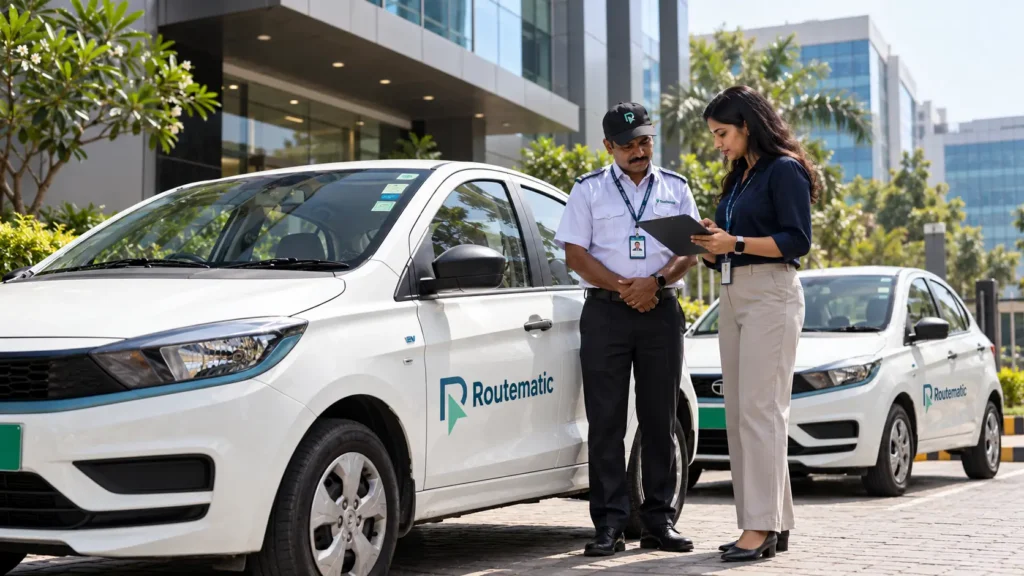
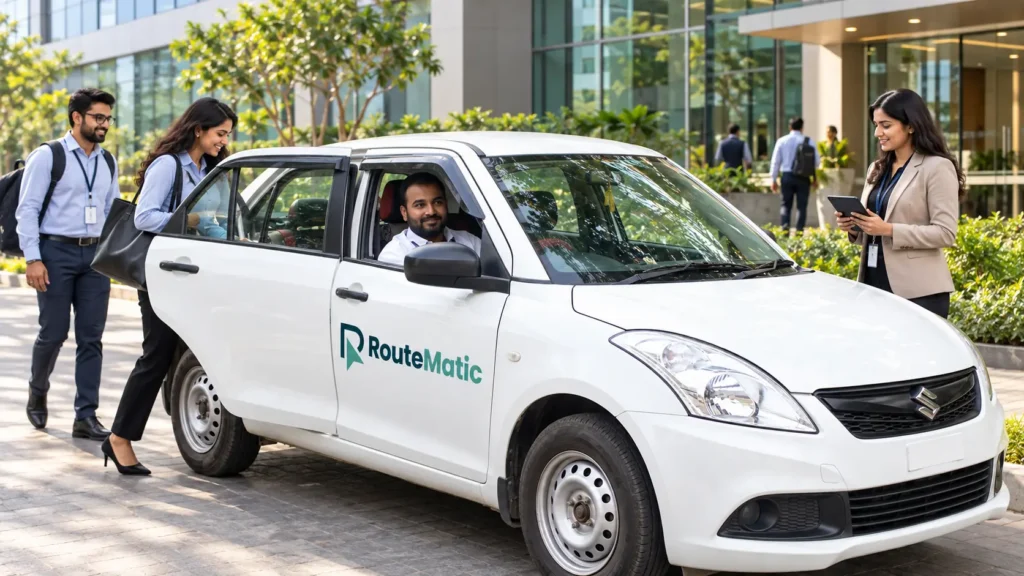
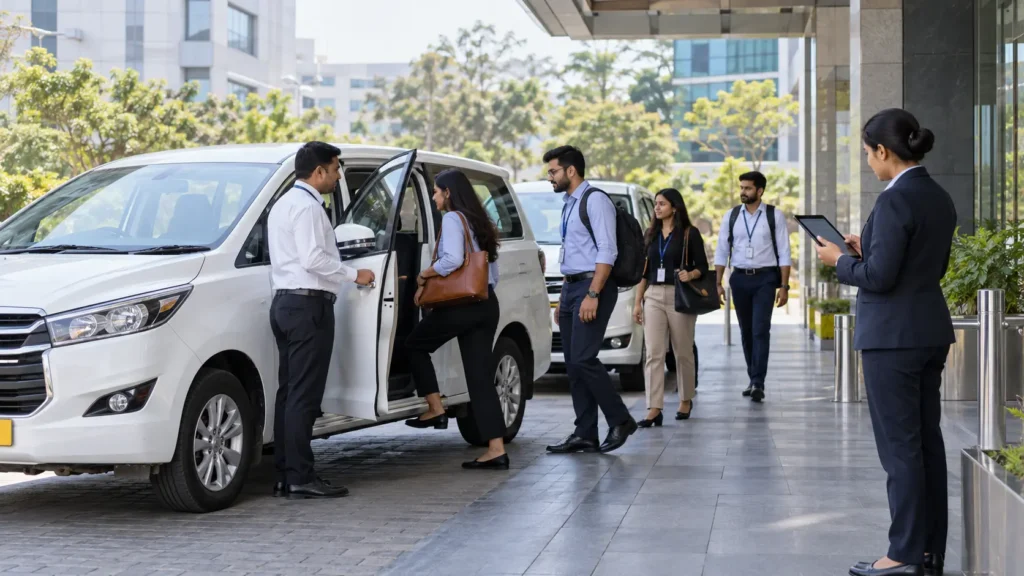
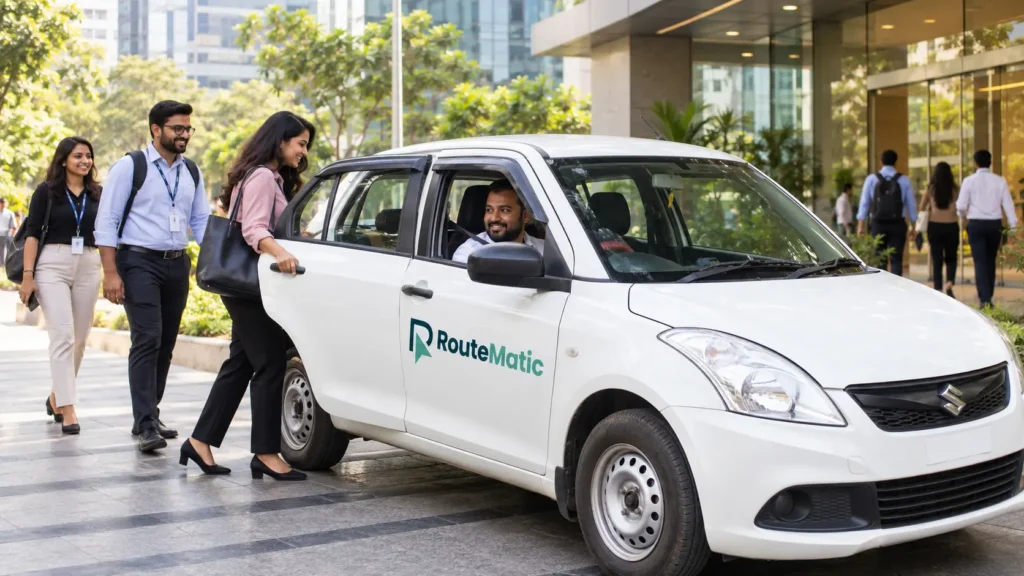
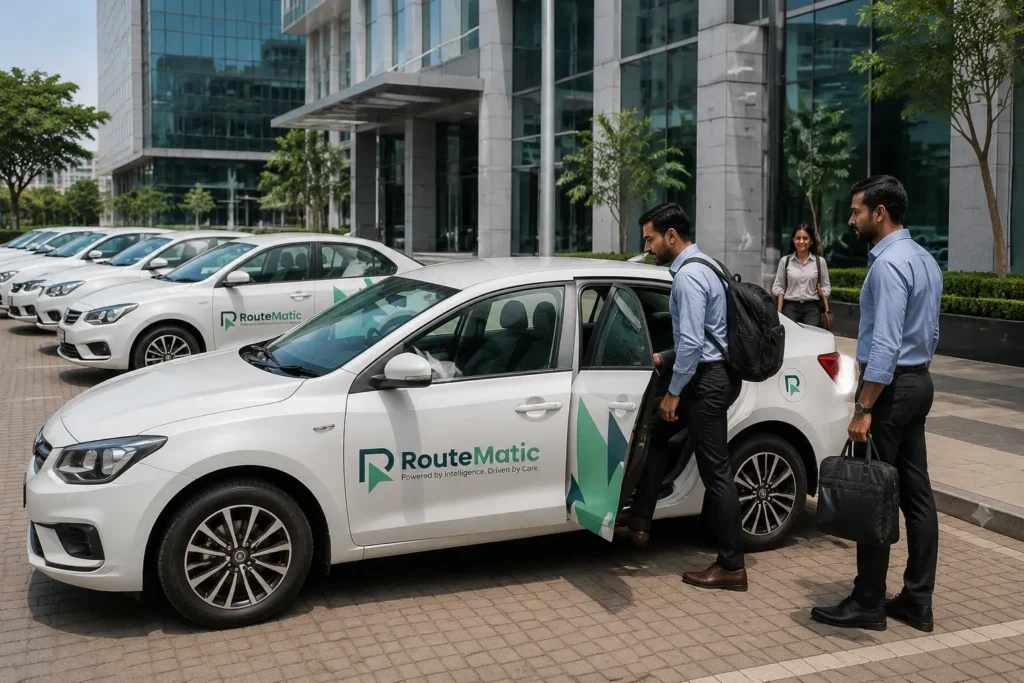
Employee transportation benefits are organized, employer-supported commuting solutions such as corporate shuttles, managed cabs, and shared mobility programs that help employees travel safely and comfortably between home and work. Companies often manage transportation for employees via corporate shuttles, managed cab services, shared mobility programmes, and technology-enabled fleet systems.
For employees, commuting to work and back home means heavy traffic, overcrowded public transportation, and long and stressful travel times. These conditions drain energy and reduce job satisfaction. According to a report by the Office for National Statistics (ONS), commuting can take a toll on a person’s sense of wellbeing.
Hence, businesses can invest in a structured transport system to actively remove one of the most persistent daily stressors in employees’ lives. When employees no longer have to worry about missed connections, delayed buses, or unsafe travel, they tend to arrive at work much more focused and mentally prepared.
Therefore, the advantages of employee transportation services are not limited to convenience; they also influence attendance patterns, punctuality, and overall workplace discipline, all of which are essential for high-performing organisations.
When an organisation provides a curated travel experience, it enables its staff to arrive in a state of “prime readiness.” Moving from a chaotic public commute to a stable, managed environment allows the brain to stay in a productive flow.
How Reliable Commutes Translate into Higher Productivity?
Employee transportation improves productivity by reducing commute-related fatigue, ensuring punctual arrivals, and enabling employees to use travel time for rest or planning instead of stressful driving. One of the strongest arguments in favour of employee transportation benefits is their direct connection to productivity. Long, uncertain commutes cause fatigue even before the workday begins. Employees who spend hours in traffic or travelling via crowded trains often arrive at work mentally drained.
Research from the University of the West of England found that every extra minute spent commuting reduces job satisfaction, increases strain, and worsens mental health. When companies provide structured transportation to the employees, they help stabilise daily routines and protect employees’ energy levels.
Moreover, technology-enabled transport systems optimise routes and minimise delays. This results in predictable arrival times, smoother team coordination, and fewer operational disruptions.
Employees gain time, mental clarity, and physical comfort. Employers gain efficiency, reliability, and stronger performance outcomes.
Health, Wellbeing, and Safety as Core Benefits of Employee Transportation
Workplace wellbeing is increasingly recognised as a driver of long-term performance. One of the major advantages of employee transportation is its positive influence on physical and mental health.
How Transport Facilities Support Employee Wellbeing?
Understanding how a transport facility benefits an employee requires examining its effect on daily health routines. Company-supported transportation offers:
- Comfortable seating and climate control
- Reduced exposure to pollution and traffic risks
- Lower commuting stress
- Safer travel arrangements, especially for night shifts
- Predictable daily schedules
By reducing commute-related stress, organisations indirectly support long-term employee wellness.
Enhanced Safety and Security
When it comes to employee transportation benefits, safety and security are a vital component. This is especially important to consider for organisations operating late-night or rotational shifts.
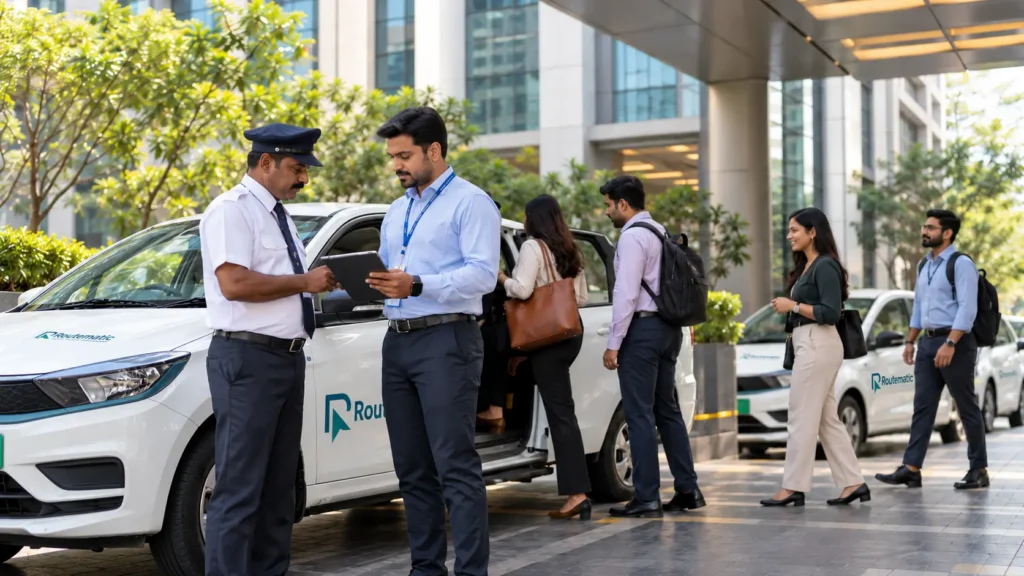
In India’s IT, BPO, and healthcare sectors, where women comprise a significant portion of the night-shift workforce, employer-provided transport has become a critical safety requirement and a key factor in talent attraction. Well-managed transport systems often include:
- GPS tracking
- Verified drivers
- Emergency response protocols
- Dedicated support teams
- Route monitoring
Financial and Retention Advantages for Employees and Employers
Beyond productivity and wellbeing, employee transportation benefits include financial stability and workforce retention, as the daily commute is often expensive.
Financial Relief Through Transport Support
One of the most practical advantages of employee transportation is cost reduction. Employees save money on:
- Fuel and maintenance
- Public transport passes
- Parking charges
- Vehicle depreciation
- Ride-hailing expenses
When employees can save their disposable income, they gain financial security, which can enhance job satisfaction.
Impact on Employee Retention
When companies invest in employee transportation benefits, they signal a long-term commitment to employee welfare. This leads to:
- Stronger emotional attachment to the organisation
- Reduced attrition
- Lower recruitment and training costs
- More stable teams
Employees will often want to stay with organisations that aim to simplify their daily routines.
Technology-Driven Transportation Solutions and Organisational Efficiency
Modern employee transportation benefits are increasingly powered by technology. Digital platforms, route optimisation software, and real-time tracking systems have transformed corporate mobility management.
When companies adopt technology for their transportation operations, they can benefit from:
- Automated route planning and optimization
- Live GPS vehicle tracking with real-time ETAs
- Attendance integration and no-show alerts
- Driver performance monitoring and ratings
- Incident reporting and SOS panic buttons
- Mobile apps for ride booking and notifications
- Centralized dashboards for fleet analytics
These tools ensure that transport operations remain reliable and adaptable to changing workforce requirements.
Also, from an organisational perspective, employee transportation benefits include improved cost control and administrative efficiency. Organisations can successfully reduce fuel wastage, optimise fleet utilisation, monitor service quality, analyse commuting patterns, and improve compliance.
As organisations expand, managing commuting logistics becomes more complex. Structured employee transportation benefits make scaling operations easier by providing consistent mobility frameworks across locations.
Why Are Employee Transport Benefits Crucial for GCCs in India?
Global Capability Centers (GCCs) operating in India face unique transportation challenges due to their 24/7 shift-based models and geographically distributed teams. For GCCs, structured employee transport is not just a perk—it is a strategic necessity.
Operational Continuity: GCCs run round-the-clock operations across multiple shifts. Reliable transport ensures workforce participation at all hours, preventing costly downtime and service disruptions.
Safety and Compliance: With a significant proportion of women employees working night shifts, GCCs must provide safe, trackable transport to meet both internal policies and global labor law standards. GPS-enabled vehicles, verified drivers, and real-time monitoring are essential.
Talent Attraction and Retention: GCCs compete for top talent in India’s competitive tech and finance markets. Offering comprehensive transport benefits helps attract diverse talent pools, including women returning to work and employees from suburban or remote areas.
Regulatory Alignment: Many GCCs must comply with parent-company policies and international labor standards. Structured transport programs demonstrate duty of care and align with global ESG (Environmental, Social, Governance) commitments.
By addressing India’s urban mobility challenges head-on, GCCs can maintain high employee satisfaction, reduce attrition, and ensure seamless operations across all shifts.
How Structured Transportation Supports Employer Branding and Talent Attraction?
In today’s talent-driven market, employer branding plays a major role in recruitment success. Comprehensive employee transportation benefits strengthen a company’s reputation as a responsible and employee-focused organisation.
It significantly influences recruitment, as job seekers increasingly evaluate benefits packages before accepting offers. Transportation support is particularly attractive to fresh graduates, shift workers, employees from remote locations, and those without private vehicles.
When organisations clearly communicate the benefits of employee transportation, they enhance their appeal to top talent.
Moreover, it helps to develop a positive workplace culture by providing transport facilities that contribute to a sense of community. Shared commuting experiences encourage informal interactions, team bonding, and knowledge sharing.
In the long run, this helps to strengthen organisational culture and collaboration. Understanding how transport facilities benefit employees also means recognising their role in building trust and mutual respect between employers and staff.
Environmental and ESG Benefits: Shared corporate transport reduces the number of vehicles on the road, lowering carbon emissions and contributing to corporate sustainability goals. For organizations committed to ESG (Environmental, Social, Governance) standards, structured transport programs demonstrate measurable environmental impact and social responsibility.
Conclusion
Implementing a comprehensive transport strategy is an exercise in future-proofing. As cities continue to implement “clean air zones” and restrict private-car access, reliance on corporate-sponsored mobility will become the norm.
Well-designed employee transportation benefits give organisations a practical solution to this challenge. They also improve employees’ punctuality, reduce their stress, support wellbeing, enhance safety, and strengthen financial stability. The benefits are way more than simply convenience; in the long run, it can create measurable improvements in engagement and organisational efficiency.
When managed with precision, employee transportation benefits become a key driver of growth, driving the company’s mission forward from the moment the first passenger boards.
In an era where employee experience defines business success, prioritising mobility is a step towards building healthier, happier, and more productive workplaces.
Frequently Asked Questions
Employee transportation benefits are company-provided or subsidised commuting services, such as buses, cabs, or shuttles, that help employees travel safely and conveniently between home and work. These benefits reduce travel stress and improve overall job satisfaction.
A transport facility benefits employees by saving time, lowering travel costs, reducing daily stress, improving safety, and helping them arrive at work refreshed and focused. This directly enhances their work performance.
By eliminating delays, overcrowding, and unsafe travel conditions, transportation benefits help employees begin their workday feeling refreshed. This improves concentration, reduces errors, and enables teams to meet deadlines more consistently.
Yes, employees are more likely to remain with organisations that actively support their daily needs. Transportation benefits improve comfort, safety, and convenience, reducing dissatisfaction related to long or difficult commutes.
Although transportation programmes include operational costs, they can substantially help organisations save money in the long run by reducing absenteeism, improving productivity, and lowering employee replacement expenses. These savings often outweigh the investment companies make in the start.
GCCs operate 24/7, shift-based models, requiring reliable commute solutions that boost workforce participation, especially among women who prioritise safety. Organised transport ensures regulatory compliance with global labour laws while reducing attrition. It directly addresses India’s urban mobility challenges, enabling GCCs to attract diverse talent pools and maintain operational continuity across all shifts.
About the author

Kavitha Ramachandragowda
Co-Founder & Executive Director, RouteMatic
As Co-Founder and Executive Director of RouteMatic, Kavitha Ramachandragowda is passionate about shaping the future of employee transportation through innovation and customer-centric solutions. She shares about workplace experience, women's safety, sustainability, enterprise mobility, and the leadership strategies that enable organizations to build smarter commuting programs.