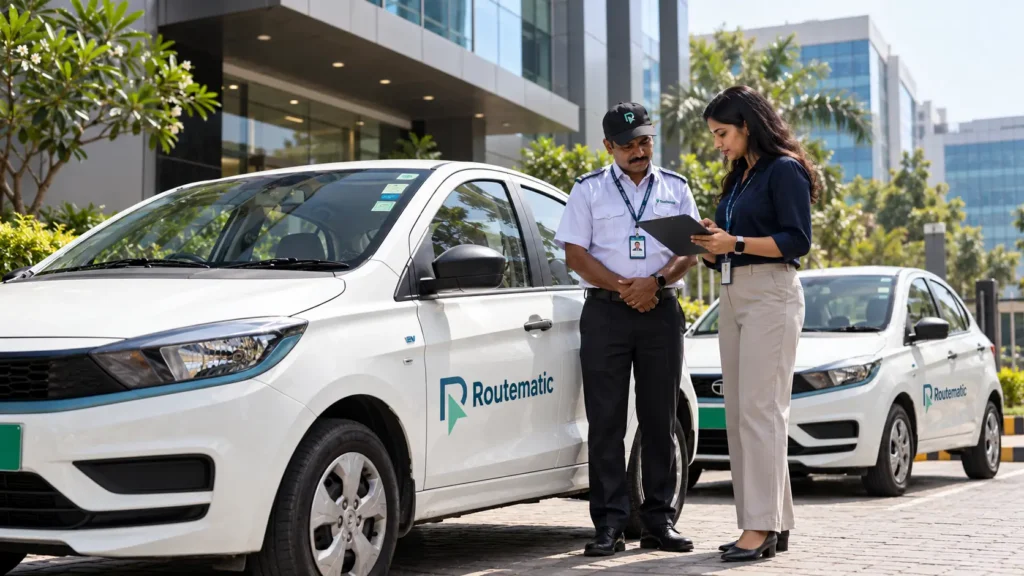
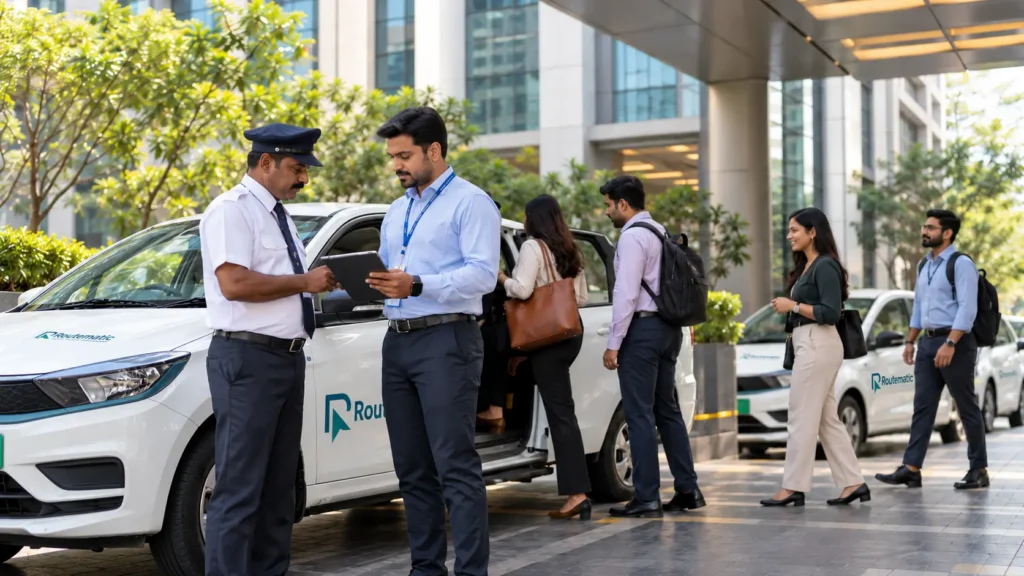
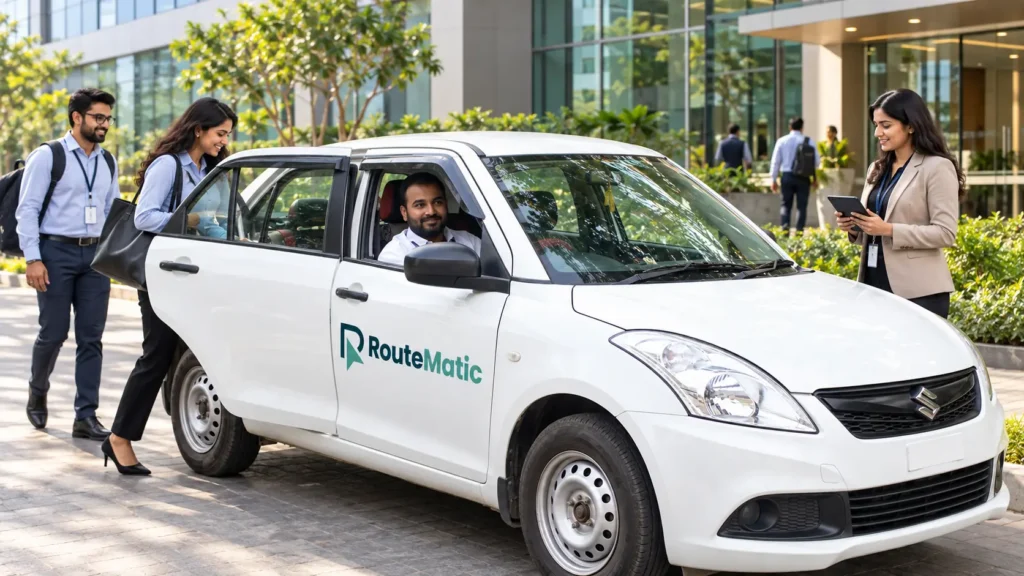
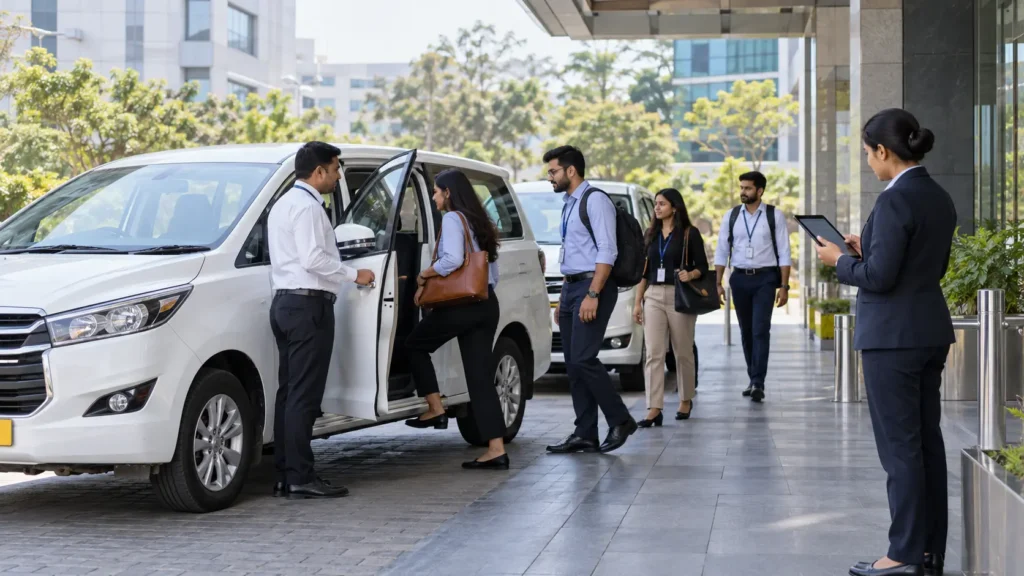
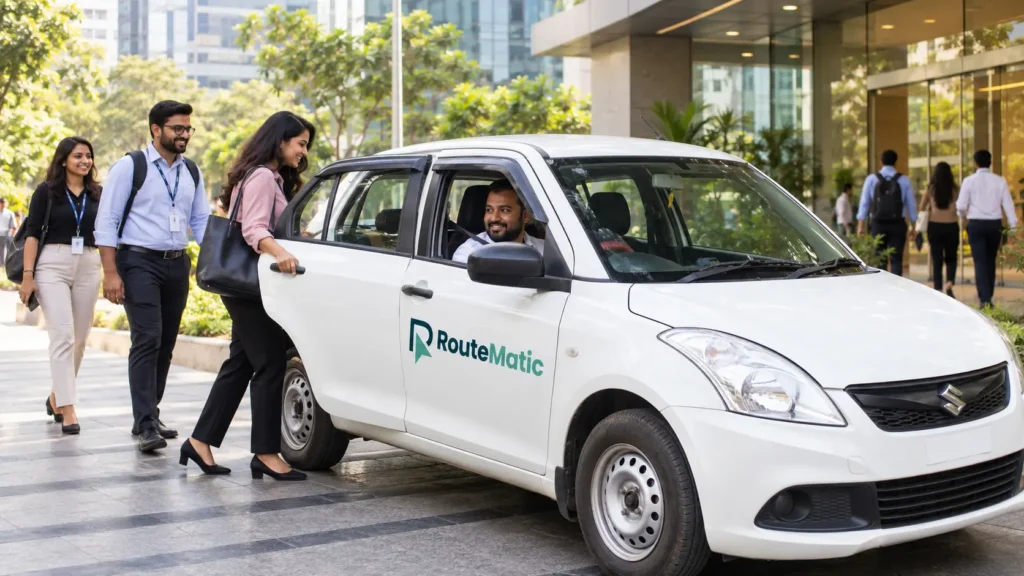
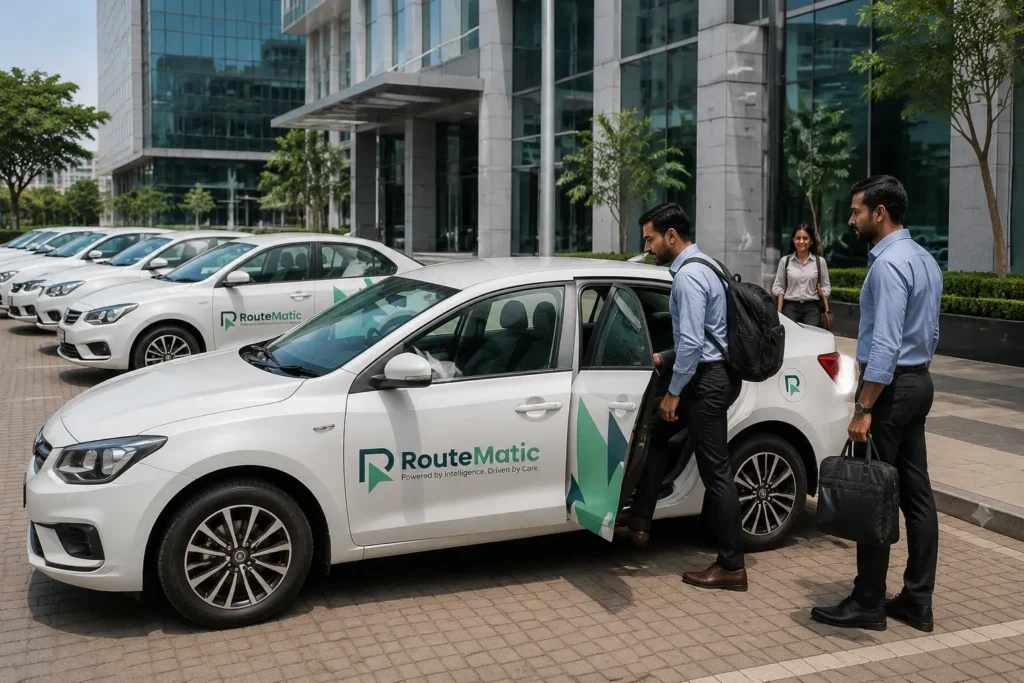
The way we travel to work has changed a lot lately. A few years ago, if someone asked, “how do you commute to the office?” the answer was usually just a train or a car ride. Now, that question is more about how companies help their staff move around in a much more flexible world.
Workplace mobility is not only about getting to a desk anymore. It is about ensuring the journey is easy, safe, and efficient. Across cities and business hubs, organisations and employees are now rethinking how they commute to the office and how it can support both performance as well as well-being.
This article examines how people commute today, the challenges they face, and how structured mobility solutions are shaping the future of corporate travel.
TL;DR
- Modern workplace commuting is evolving from a personal responsibility into a company-managed mobility experience focused on safety, efficiency, and flexibility.
- Smart transport solutions help reduce travel stress, improve employee productivity, and optimise daily office commutes.
- Technology-driven mobility enables real-time tracking, better routing, cost savings, and sustainable travel choices.
- The future of corporate commuting combines employee convenience, operational efficiency, and greener transportation.
The Move to Better Managed Travel!
One big change is that companies are taking more control over how staff travel. In the past, how you commuted to the office was your own responsibility. You had to find your own way and pay your own costs.
Now, more businesses are offering managed travel services. This is particularly helpful for people who work late shifts or in areas where buses and trains do not run frequently.
Managed services include things like company buses or apps that help people share rides. These options are more reliable than public transport. According to the work patterns in the UK, work patterns are still changing, and people are seeking ways to save money.
A company-led commute to the office helps staff save on fuel and parking while ensuring they arrive at work on time.
The main benefits of these systems are:
- Live tracking: You can see where your bus is on your phone, so you do not have to wait outside in the rain.
- Saving money: Sharing a ride is much cheaper than driving your own car every day.
- Better safety: Using a company-vetted service is safer, especially for those working early or late hours.
- Faster routes: Smart apps find the best way through traffic to save time.
Challenges People Face When They Commute to the Office Daily
Despite multiple travel options, many professionals still struggle with commuting to the office. Daily commuting remains one of the most demanding aspects of working life.
When employees reflect on how they commute to the office, common challenges often emerge.
1. Traffic Congestion
Traffic remains one of the biggest obstacles. Long queues, unpredictable delays, and road accidents can considerably extend travel time.
According to the TomTom Traffic Index 2023, drivers in Dublin lost an average of 153 hours per year in traffic congestion.
2. Rising Travel Costs
Fuel prices, parking fees, public transport fares, as well as vehicle maintenance have considerably increased over time. For many employees, commuting expenses take up a significant portion of their monthly income.
When considering how to commute to the office, cost is often a major deciding factor.
3. Physical and Mental Fatigue
Long and uncomfortable journeys can cause tiredness even before the workday begins. Crowded buses, standing in trains, or driving for hours can reduce focus and motivation.
Employees who commute to the office for long durations often report lower energy levels at work.
4. Safety and Reliability Concerns
Late-night shifts, remote office locations, and poorly connected routes raise safety issues. Women employees and night-shift workers are particularly affected.
A reliable transport management system plays a key role in enhancing confidence among employees in commuting to the office.
5. Time Management Issues
Unpredictable travel times make it difficult to plan personal and professional schedules. Missed meetings and delayed starts are often linked to poor commuting systems.
These challenges show why companies must take commuting seriously as part of workforce management.
How Apps and Tech Help the Journey?
Technology plays an important role in how you commute to the office today. We no longer use paper maps or wait at bus stops hoping for the best. Modern travel uses software that connects the worker, the driver, and the office.
This tech can see how many people need a ride and adjust the number of vehicles accordingly. This is perfect for offices where different numbers of people come in each day.
For the worker, this makes life much simpler. You don’t have to worry about traffic or finding a parking spot. Research indicates that supporting staff wellbeing is a top priority in 2026.
A simple commute to the office helps lower stress levels. When you know exactly when you will arrive, you start your day feeling much calmer.
Additionally, these apps provide the company with useful data. They can see which routes are busy and which are not in use. This helps them reduce costs and improve the service. It also makes it easier for the company to hire people who live farther away, as it provides a direct route to the office.
Working Better and Staying Happy
There is a big link between how you commute to the office and how well you work. A long, messy journey in heavy traffic makes people tired before they even start their jobs. On the other hand, a smooth ride gives you time to relax or plan your day. This quiet time is very important for your mental health.
Companies with a good commute to the office usually retain their staff for longer. In a world where it is hard to find qualified workers, making it easy to get to the office is a significant advantage. If the journey is too hard, people might look for a new job closer to home. By providing a comfortable way to travel, a business demonstrates respect for its employees’ time.
- More free time: Spending less time in traffic means more time with family or friends.
- Less stress: Knowing you have a guaranteed seat and a reliable ride makes the morning easier.
- Better focus: Individuals who arrive at work feeling refreshed can accomplish more.
Green Travel and the Environment
Most companies now care deeply about the planet. The way staff commute to the office is often a major contributor to a company’s carbon footprint. Because of this, many businesses are switching to electric vehicles or car-sharing plans. This helps them meet their green goals and helps the environment.
Switching to green transportation is a practical step that everyone can see. When a company uses electric buses, it shows that it cares about the future. It turns the commute to the office into a positive experience. The benefits for the planet include:
- Less pollution: Using electric vans or buses instead of many cars keeps the air cleaner.
- Less traffic: One bus can take 20 cars off the road, helping everyone move faster.
- Less noise: Electric vehicles are very quiet, which makes the area around the office more peaceful.
Green travel is also good for the company’s budget. While electric cars can be expensive to buy, they are much cheaper to run over time. This makes it a smart choice for the business and the staff.
Conclusion
As we can see, the question of “how do you commute to the office?” is about more than just a car or a bus. It is about using tech to make life easier and being kind to the planet. Companies that still let staff struggle to find their own way are missing out.
The future of the work journey is all about making things work together. By using smart apps and clean vehicles, businesses can make the commute to the office a smooth part of the day. This helps everyone stay happy, healthy, and ready to work.
Frequently Asked Questions
Why is commuting important for employee productivity?
Commuting affects energy levels, punctuality, and focus. When employees commute to the office comfortably, they arrive at work less stressed and are more likely to perform better throughout the day.
How can companies improve how employees commute to the office?
Companies can improve commuting by partnering with professional mobility providers, using route optimisation technology, and regularly collecting employee feedback.
How does corporate transport help employees commute to the office?
Corporate transport provides fixed schedules, trained drivers, real-time tracking, and safety features, making daily commuting more reliable and stress-free.
What role does technology play in workplace commuting?
Technology enables GPS tracking, route planning, mobile apps, and automated scheduling, making commuting more transparent and efficient.
About the author

Kavitha Ramachandragowda
Co-Founder & Executive Director, RouteMatic
As Co-Founder and Executive Director of RouteMatic, Kavitha Ramachandragowda is passionate about shaping the future of employee transportation through innovation and customer-centric solutions. She shares about workplace experience, women's safety, sustainability, enterprise mobility, and the leadership strategies that enable organizations to build smarter commuting programs.