For many women, the daily journey to work is fraught with fear. A 2019 survey by the Ola Mobility Institute revealed that a staggering 91% of women across 11 cities felt public transport systems were extremely unsafe. These fears are well-founded, as harassment and violence during commutes remain alarmingly common.
Recent data paints an even starker picture. The NARI 2025 report indicates that 40% of women living in urban India feel unsafe, and their experiences of harassment significantly surpass the official NCRB statistics. This persistent insecurity creates a devastating ripple effect across India’s economic landscape.
The consequences extend beyond individual distress: research shows that 52% of women have declined education or employment opportunities due to concerns about their commute. According to a 2024 Guardian report, 46% of Indian women admitted that safety concerns influence their work decisions. In metros like Delhi, Mumbai, and Bengaluru, women avoid night shifts or jobs involving travel. This pervasive insecurity restricts personal growth and limits women’s full participation in the workforce, slowing broader socio-economic progress.
Why Women Walk While Men Take Transport
The commute challenge for Indian women goes beyond safety concerns to basic accessibility. According to a World Bank report, more women (45%) walk to work in India than men (27%) because they do not have access to affordable transport. This restricts their access to jobs located farther away and limits their job choices. This transportation gap creates a vicious cycle where women are confined to jobs within walking distance, often limiting their career prospects and earning potential.
Safety concerns and poor public transport connections limit women to jobs close to home, according to Goldman Sachs’ 2025 analysis of India’s women workforce challenges.
Key Safety Features and Infrastructure for Safe Commutes for Women
Ensuring the safety of women during their commutes requires a combination of advanced technology, trained personnel, and responsive systems. The following features are essential in creating a secure and empowering transportation environment:
1. Real-Time GPS Tracking and Panic Buttons
Implementing GPS-enabled Vehicle Location Tracking Devices (VLTDs) in all public service vehicles allows for continuous monitoring of commutes and enables immediate emergency assistance when needed. These devices provide both employees and employers with the ability to track journeys, ensuring timely responses to any deviations or emergencies.
2. Dedicated Support Staff
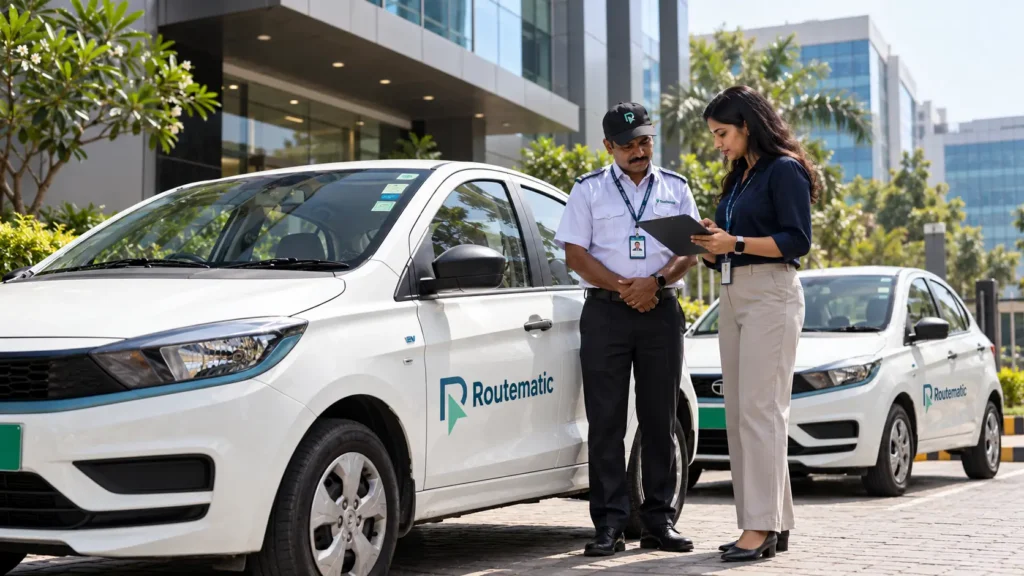
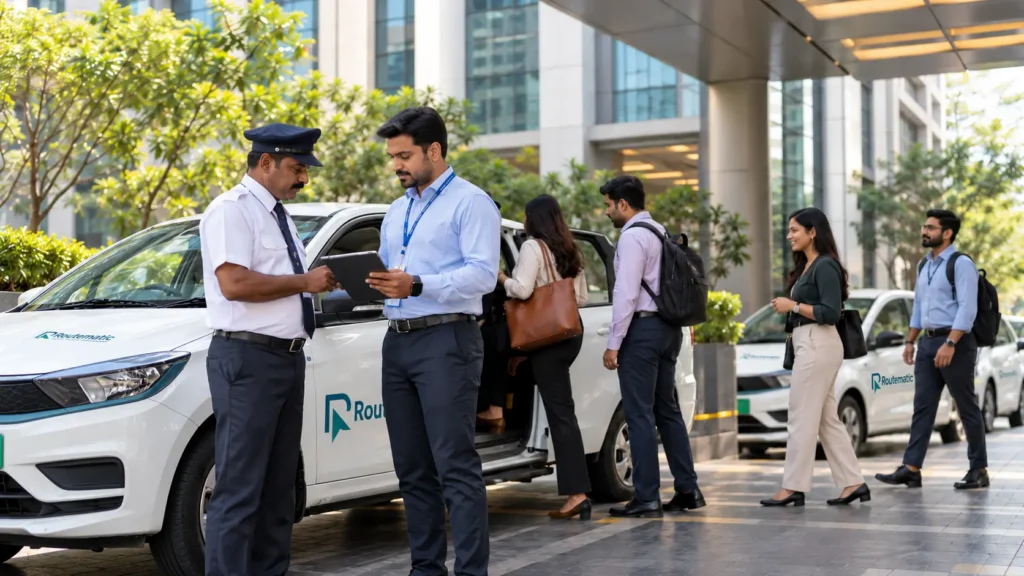
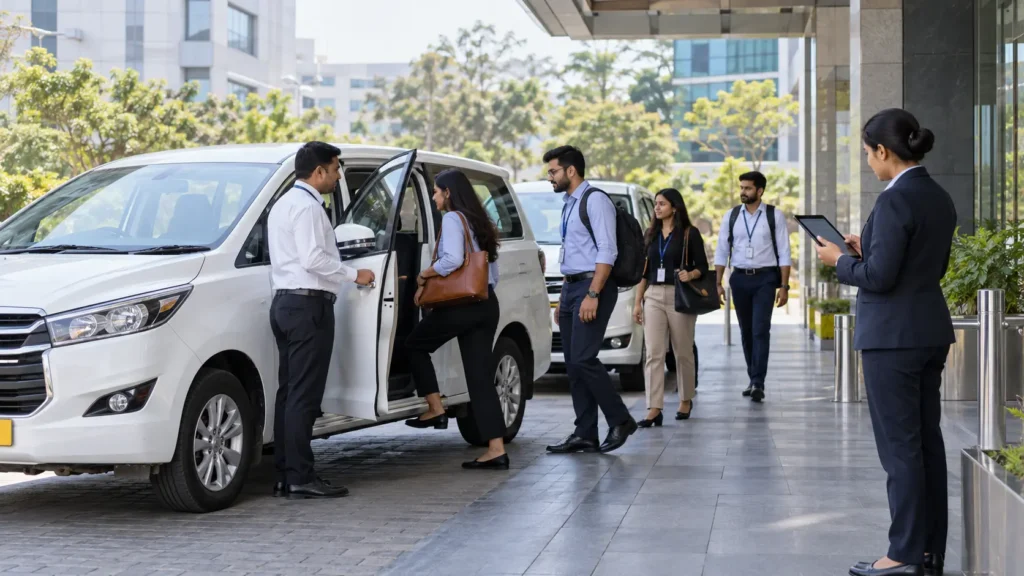
Providing marshals or security guards for female employees during early morning or late evening rides adds an extra layer of safety. These personnel are trained to handle various situations, offering reassurance and immediate assistance if required.
3. Professional and Verified Drivers
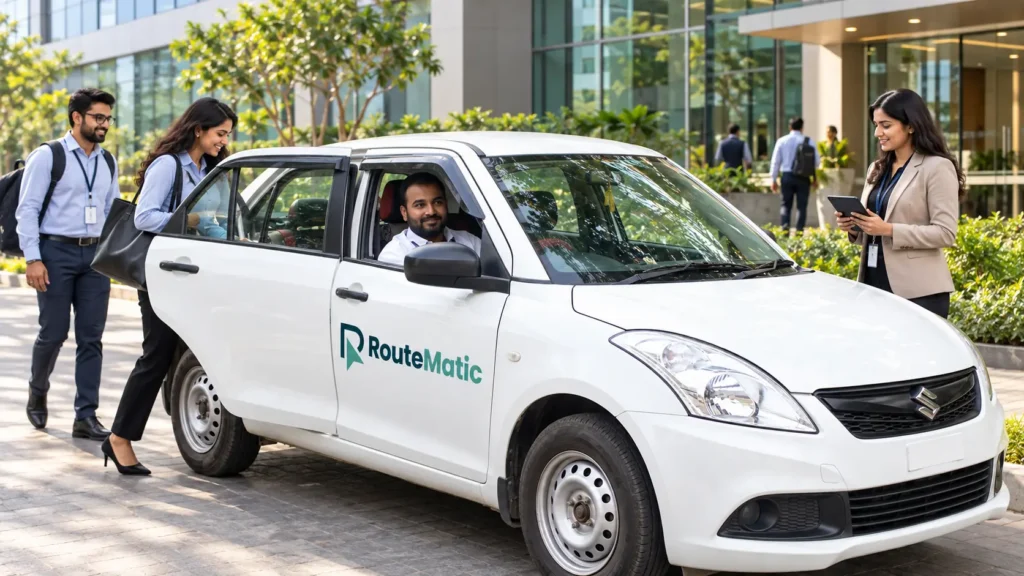
Ensuring that drivers undergo rigorous background verification and training guarantees professionalism and safety. This process includes criminal record checks and training programs focused on safety and gender sensitivity, establishing trust and peace of mind among female commuters.
4. Centralized Control Room
Establishing a centralized control room or transport helpdesk provides a single point to manage employee transport and address safety concerns efficiently. This system enables real-time monitoring and swift responses to any incidents or emergencies.
5. Integrated Incident Management Systems
Developing integrated SOS systems within corporate cabs allows for immediate assistance in emergencies. Features like panic buttons and emergency response protocols ensure that help is readily available whenever required.
What Companies Need to Do
Creating a safe commuting environment for women goes beyond technology and infrastructure; it requires strong policies and visible leadership commitment. Formal policies, proactive leadership, and regular employee feedback form the backbone of a culture that prioritizes women’s safety and empowerment.
Define Commuting Policies
Establish formal commuting policies that explicitly prioritize women’s safety and well-being. Policies should cover aspects such as safe pick-up and drop-off protocols, approved transport vendors, and clear procedures for reporting incidents. Best practices include companies designating “safe zones” for pick-ups, maintaining strict driver vetting standards, and implementing mandatory check-ins during rides. Well-defined policies provide employees with clarity and assurance, creating a safer, more reliable commuting experience.
Leadership Commitment
High-level corporate leadership must actively demonstrate commitment to the safety and well-being of all employees. This can include aligning organizational initiatives with frameworks like the UN Women’s Empowerment Principles, publicly endorsing safety programs, and ensuring adequate budget and resources are allocated for implementation. Leading companies also showcase leadership involvement by participating in safety audits, hosting awareness sessions, and personally reviewing incident reports. Visible leadership signals that safety is a core organizational value, not just a compliance requirement.
Employee Feedback
Actively seek and incorporate feedback from women employees regarding their commute experiences. Regular surveys, suggestion channels, and focus groups can identify gaps in safety measures, highlight areas for improvement, and ensure that policies evolve based on real-world needs. Some organizations have implemented anonymous reporting apps or periodic safety forums where women employees can share concerns freely, which allows for continuous improvement. Listening to employees fosters trust and creates a responsive, inclusive approach to commuting safely.
The Cost of Unsafe Commutes
India ranks 129 out of 146 countries on the Global Gender Gap Index, with economic participation among its lowest scores. However, recent data shows encouraging trends. Women’s workforce participation in India increased from 32% in 2022-23 to 37% in 2023-24, with the rise concentrated in rural areas. This improvement, while significant, still leaves India far behind in global comparisons.
Companies with higher gender diversity in their workforce report 25% higher profitability. By removing transportation barriers that limit women’s participation, organizations unlock significant revenue growth potential while building more resilient, diverse teams.
Safe commutes are not just about individual dignity; they are directly tied to company growth and organizational performance. Every woman who declines a job opportunity due to commute safety concerns represents lost economic potential, innovation, and growth.
The Path Forward: Systemic Change Required
The corporate sector is beginning to recognize this imperative. Implementing stringent safety measures using an employee commute solution can create a society where women can commute without fear, as highlighted in recent industry reports. Companies are increasingly investing in comprehensive transportation solutions that prioritize women’s safety through technology integration and policy reforms.
Addressing India’s commute safety crisis requires coordinated action across multiple stakeholders:
Government Action: Enhanced public transportation infrastructure, better lighting, increased police presence, and stronger enforcement of safety regulations.
Corporate Responsibility: Investment in safe transportation solutions, policy reforms, and leadership commitment to women’s safety.
Technology Integration: Leveraging GPS tracking, panic buttons, real-time monitoring, and emergency response systems.
Community Engagement: Creating awareness, changing mindsets, and building support systems for women’s mobility rights.
Conclusion: Reimagining the Commute is Reimagining the Workforce
The data is clear: unsafe transport is keeping women out of India’s workforce, limiting both individual potential and national economic growth. With 40% of women in urban India feeling unsafe and 46% of Indian women admitting that safety concerns influence their work decisions, the scale of this challenge demands immediate, comprehensive action.
Let’s stop asking women to adjust to systems not built for them. Let’s rebuild those systems instead with safety, dignity, and equity at the core. The future of work is inclusive. But it must first be safe.
The economic opportunity is unprecedented with women’s workforce participation rising but still constrained by safety concerns, India stands at a crossroads. By investing in safe, accessible transportation for women, companies create a powerful advantage in attracting and retaining talented female employees who might otherwise look elsewhere