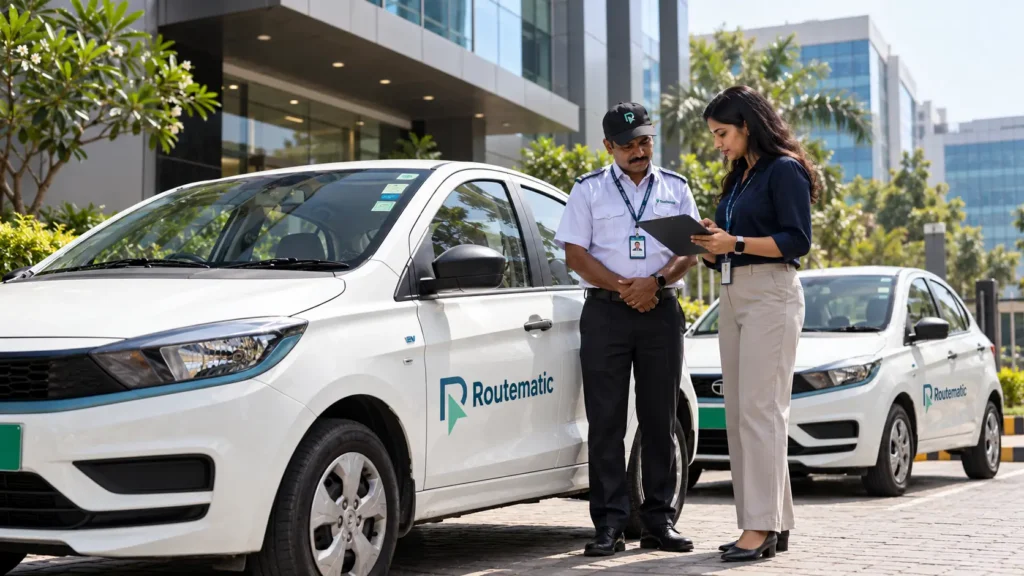
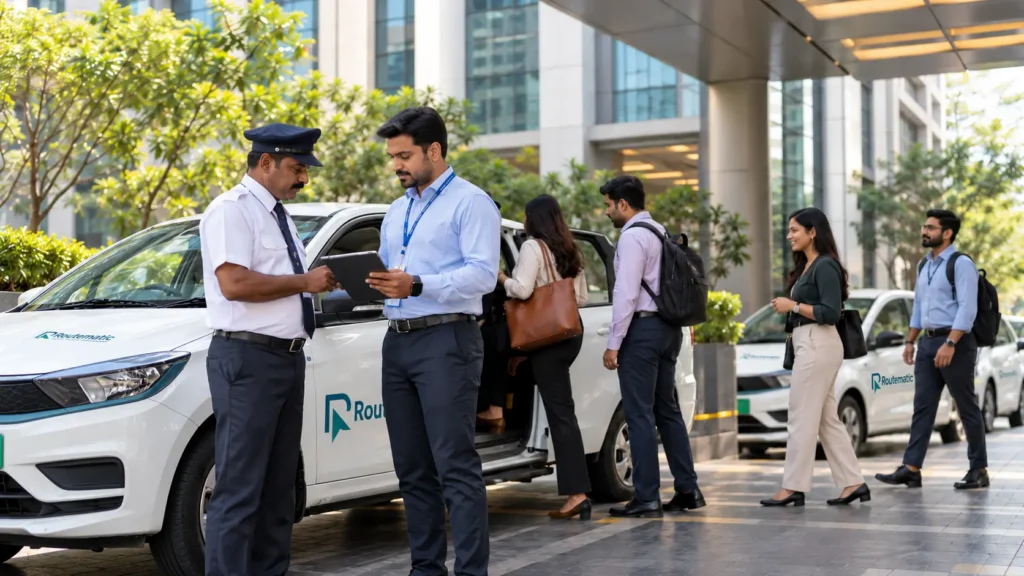
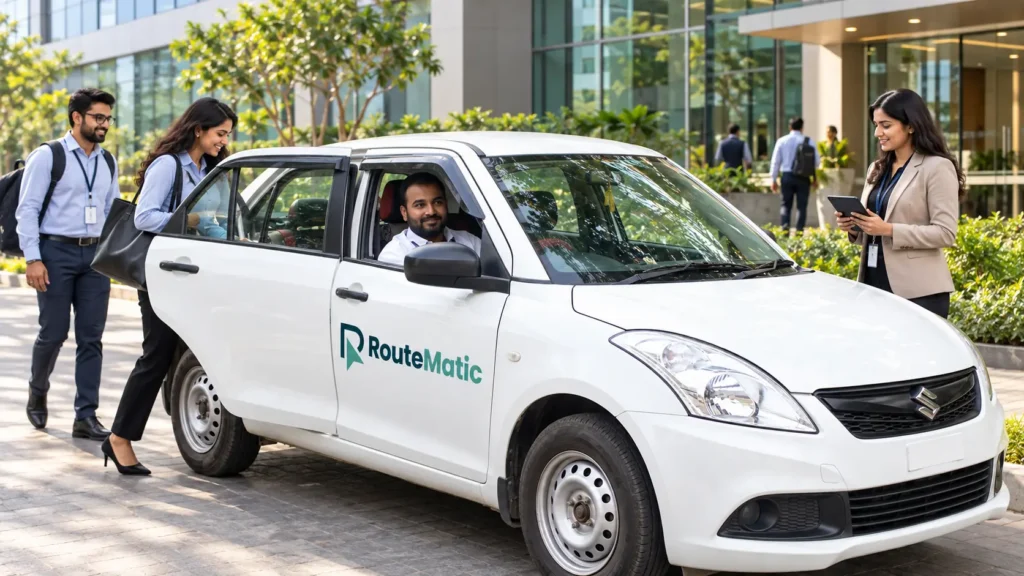
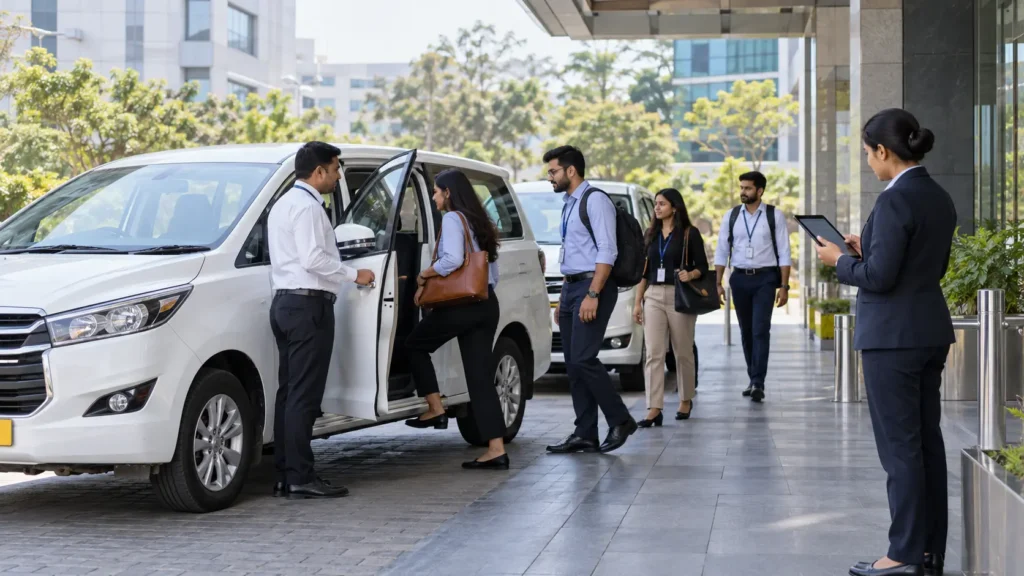
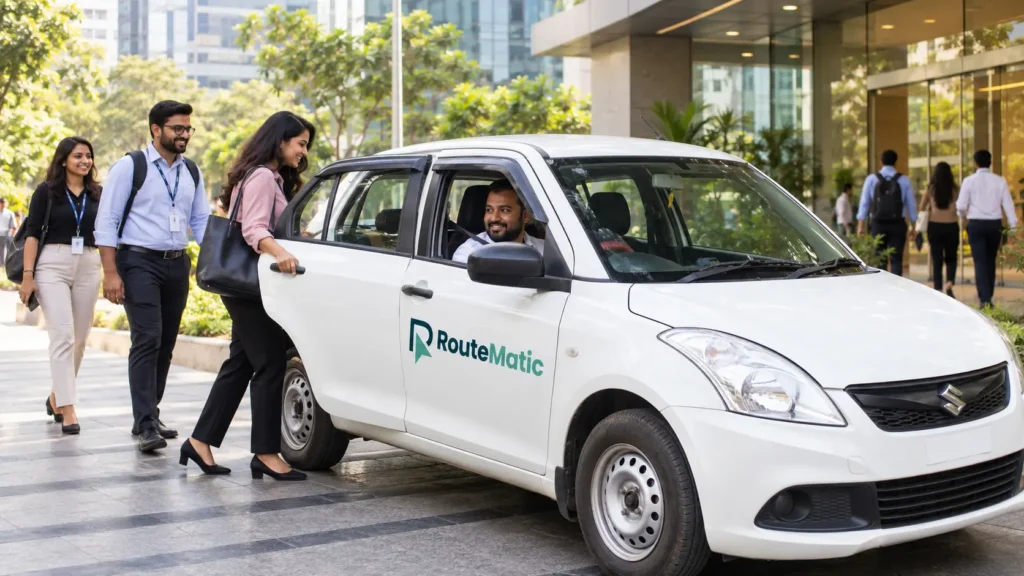
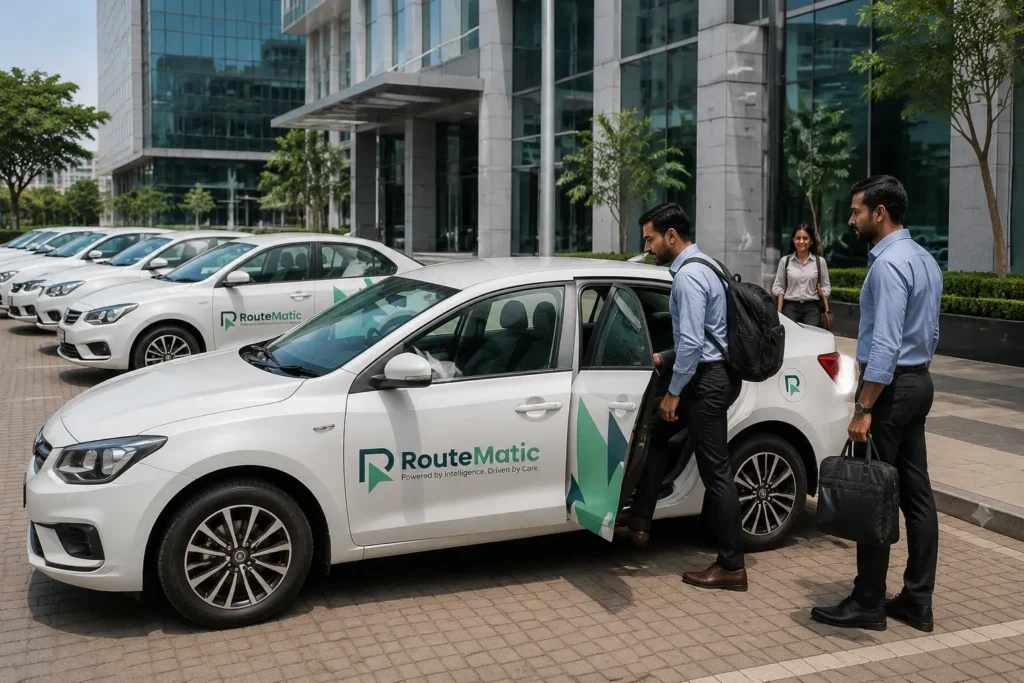
Indian enterprises are moving from ad hoc transport to integrated systems that are safe, transparent, and sustainable. The aim is clear. Reliable ETAs, measurable safety, lower emissions, and tighter financial control through modern platforms.
With Mobility Solutions, enterprise needs expanding across cities and shifts, this blueprint explains how to design a resilient program using intelligent mobility solutions that scale without friction.
System goals that guide the design
Strong programs begin with four outcomes. Safety by design. Financial transparency. Predictable ETAs. Lower carbon per rider. Map each outcome to a specific control. Verified drivers and geofenced routing for safety. Trip evidence and automated invoicing for finance. AI routing for ETA stability.
EV readiness and occupancy targets for emissions. This is how Mobility Solutions enterprise controls turn policies into daily practice.
AI automation that reduces friction
Automation removes manual guesswork from planning. A unified SuperApp should handle roster creation, trip formation, vehicle assignment, and live tracking. Dispatch rules enforce pooling thresholds without hurting first pickups. No‑show rebalancing recovers spare capacity.
These capabilities are core to modern mobility solutions, enabling faster adjustments and consistent performance during peak windows.
Safety and compliance as workflows
Safety works when embedded in the flow. Use driver verification, document checks, and route geofencing as defaults. Enable SOS and panic workflows. Implement women’s safe drop with call‑back confirmation for late and early shifts. Maintain an auditable trail of check‑ins, OTPs, GPS traces, and incident logs.
HR and compliance teams get evidence on demand, while riders gain trust through Mobility Solutions enterprise safeguards that operate around the clock.
Occupancy, routing, and cost control
Cost per seat falls when routes are efficient and seats are filled. Cluster riders by locality and shift windows to maximise pooling without compromising ETAs. Cut dead kilometres with nearest‑vehicle logic, staging zones, and back‑to‑back trip stitching. Track route‑level cost variance, productive‑kilometre ratios, and occupancy by shift.
Over time, these mobility solutions metrics expose weak corridors, vendor gaps, and policy tweaks that unlock savings.
Evidence‑led billing and faster closure
Month‑end should be predictable and short. Tie every billed line to verifiable events. Check‑ins, OTPs, and GPS traces form a single source of truth for finance. Smart invoicing enables clean chargebacks and reduces disputes.
With this structure, Mobility Solutions enterprise programs close faster, provision less, and align transport spend with actual usage across cost centres.
EV readiness with real‑world uptime
EVs reduce emissions and cost when planned for duty cycles. Start with route lengths, charge windows inside shift gaps, and range‑aware routing. Mix vehicle types by corridor and traffic conditions. Monitor CO2 per rider, charge utilisation, and uptime on a sustainability dashboard.
Well‑run mobility solutions aim for higher occupancy and fewer empty kilometres, which amplifies the green impact of each EV.
Admin and rider experience that drives adoption
Adoption follows predictability and transparency. Administrators need a control‑tower view with alerts, escalations, and vendor scorecards. Riders need reliable ETAs, real‑time updates, and simple check‑ins. Close feedback loops that route issues to accountable owners.
As the daily experience improves, attendance stabilises, and data quality strengthens Mobility Solutions enterprise decision‑making.
What to implement in the first 90 days?
- Standardise metrics: occupancy by shift, ETA variance, dead‑kilometre ratio, dispute volume, and days to close.
- Run a two‑site pilot: tune pooling rules, rebalancing, and vendor assignment.
- Automate invoicing: switch to event‑led billing and measure dispute reduction.
- Hardwire safety: enforce verified drivers, geofenced routes, and women’s safe drop.
- Publish a monthly scorecard: link spend to outcomes so leaders see progress.
How to select the right platform?
Choose mobility solutions proven at enterprise scale. Look for end‑to‑end automation, configurable policies, and strong integrations with HRMS and attendance systems.
Demand dashboards that expose cost, safety, and sustainability in one place. Insist on event‑level evidence for every invoice. Confirm 24×7 operating support across metros and tier‑two hubs for shift‑based operations.
Conclusion
A safer, greener commute comes from clear goals and disciplined execution. Automate planning and dispatch. Embed safety and compliance in workflows. Manage occupancy and routing to control cost per seat. Use evidence‑led billing to speed closure and build trust.
With Mobility Solutions enterprise platforms that unify data and operations, Indian organisations can deliver reliable employee transportation and advance ESG goals through modern mobility solutions.