For decades, procurement operated as a back-office function focused on costs, contracts, and compliance. But a new reality is emerging where procurement decisions profoundly impact employee wellbeing, productivity, and organizational culture.
In a recent webinar at RouteMatic with Swapnil Pore, a procurement leader with over 17 years of experience across multinational companies, explored this critical connection. The most important key insight we got is that procurement is no longer just about finding the cheapest vendor. It’s about creating value and shaping employee experience.
Why Traditional Procurement Must Evolve
Historically, procurement mandate was straightforward: reduce costs, manage contracts, ensure compliance. Teams once operated in silos, making transactional decisions with little cross-functional collaboration. Success was measured purely by cost savings and incremental efficiency gains.
This model no longer suffices for the modern role of procurement. Today’s workforce demands more than paychecks. Employees want supportive environments and organizations that genuinely care about their wellbeing. The competition for talent has intensified, and employee experience has become a critical differentiator.
The shift is clear: procurement must evolve from cost reduction to value creation, from vendor management to strategic partnerships, and from back-office operations to culture-shaping decisions.
Redefining Procurement’s Role
As Pore noted, “Procurement is the silent architect of workplace wellbeing.” Every vendor selection influences how employees work, what tools they use, and how supported they feel.
Modern procurement encompasses four key dimensions:
Supplier Innovation: Partnering with vendors who bring innovative solutions, not just selecting the lowest bidder.
Sustainability Focus: Prioritizing environmental and social responsibility in procurement decisions.
Employee Experience: Evaluating every decision through the lens of end-user impact.
Digital Transformation: Leveraging technology for transparency, accountability, and better service delivery.
This requires cross-functional collaboration. Procurement decisions ripple across HR, Operations, and Facilities, demanding a unified strategy that aligns departments around creating environments where people thrive.
Transportation: A Critical Wellbeing Touchpoint
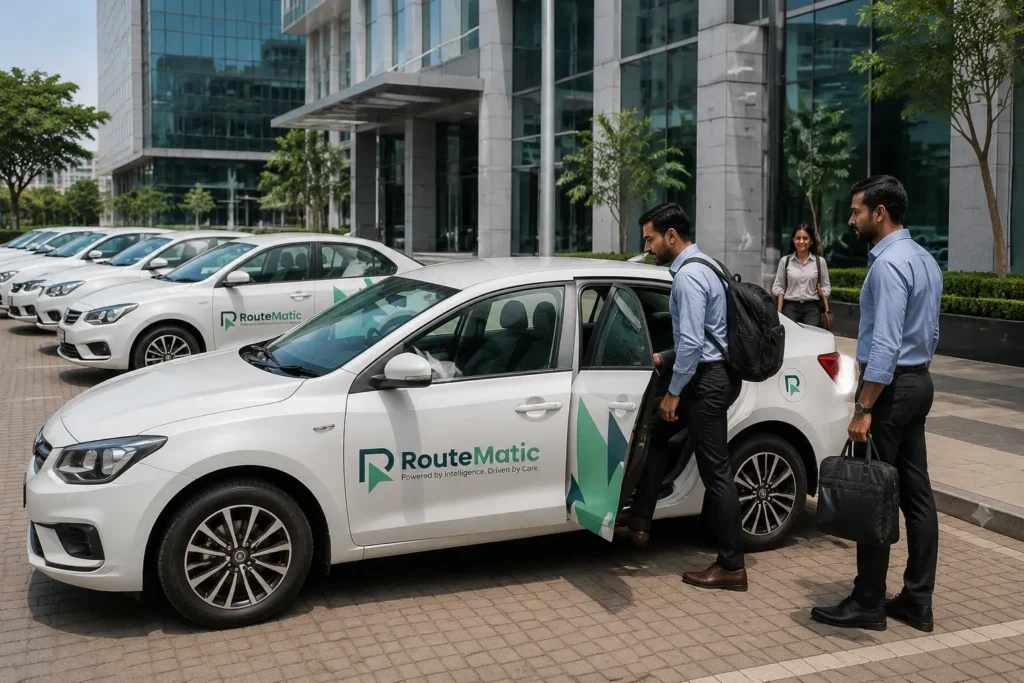
Among all areas where procurement influences wellbeing, transportation stands out. For many employees, commuting is the most stressful part of their day. It’s a daily touchpoint that directly impacts punctuality, productivity, morale, and safety.
As emphasized in the webinar, “Well-being isn’t a perk. It’s a performance strategy.”
The Real Impact: A Mumbai Case Study
During his tenure at an engineering conglomerate in Mumbai, Swapnil Pore led a shuttle service redesign that completely transformed the employee commute experience.
The situation was challenging; employees were spending nearly 90 minutes each way in overcrowded buses with unpredictable schedules and no visibility into arrival times. The lack of safety measures, especially for night-shift employees, further added to the stress and dissatisfaction surrounding the daily commute.
Instead of focusing solely on cutting costs, Pore and his team took a more empathetic and strategic approach. They began by listening to employees. Through detailed surveys, they identified key pain points that went beyond pricing including comfort, reliability, and safety. Procurement then worked closely with stakeholders to evaluate vendors not just on cost, but on their technical capabilities, service quality, and ability to deliver a dependable commute experience.
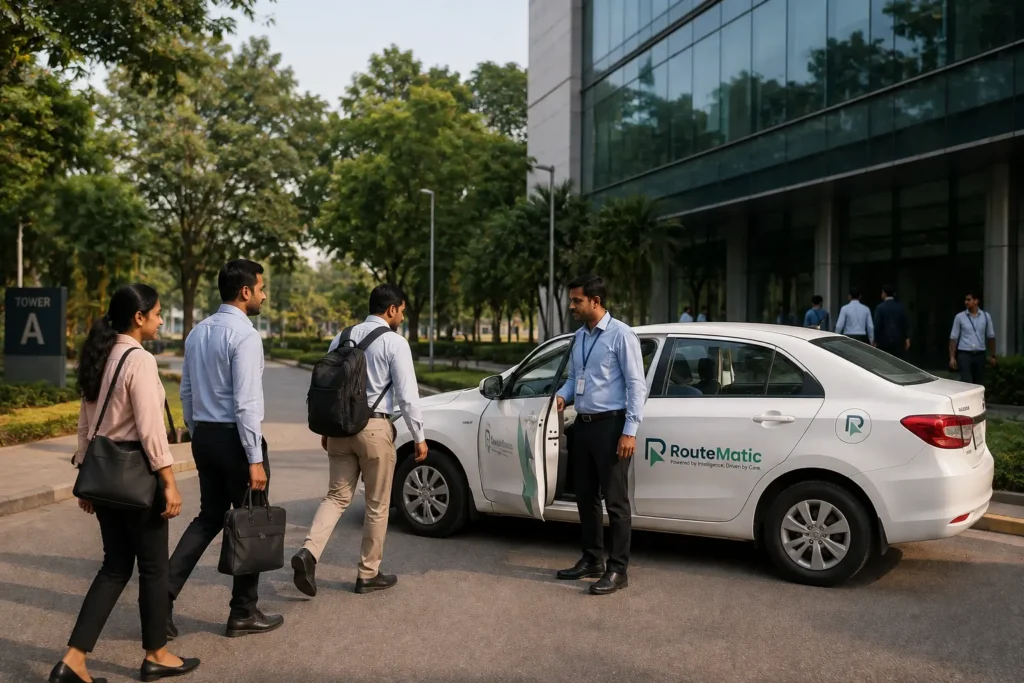
The outcome was a partnership with a tech-enabled transport vendor that introduced real-time tracking, ergonomic seating, and reliable scheduling. These improvements brought a visible shift in the daily experience: employees reported feeling safer, more relaxed, and better prepared for their workday.
Punctuality improved significantly, with many employees arriving earlier than required, and the overall stress levels decreased, fostering a healthier work-life balance. The initiative received overwhelmingly positive feedback, standing as a testament to how thoughtful procurement decisions can directly impact employee wellbeing and organizational performance.
Four Critical Areas for Transportation for Procurement Leadership
1. Safety and Security: Background-checked drivers, regular vehicle maintenance, real-time tracking, and emergency response protocols.
2. Reliability and Predictability: On-time performance metrics in contracts, predictable schedules, buffer time for traffic, and backup systems.
3. Comfort and Experience: Ergonomic seating, climate control, route optimization, and accessibility features.
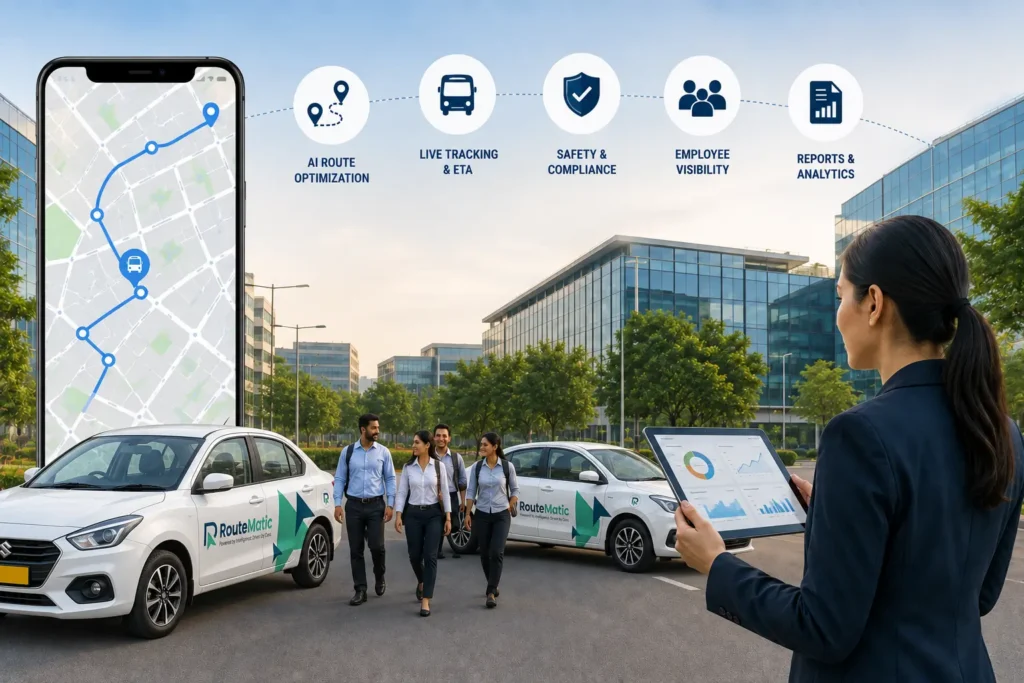
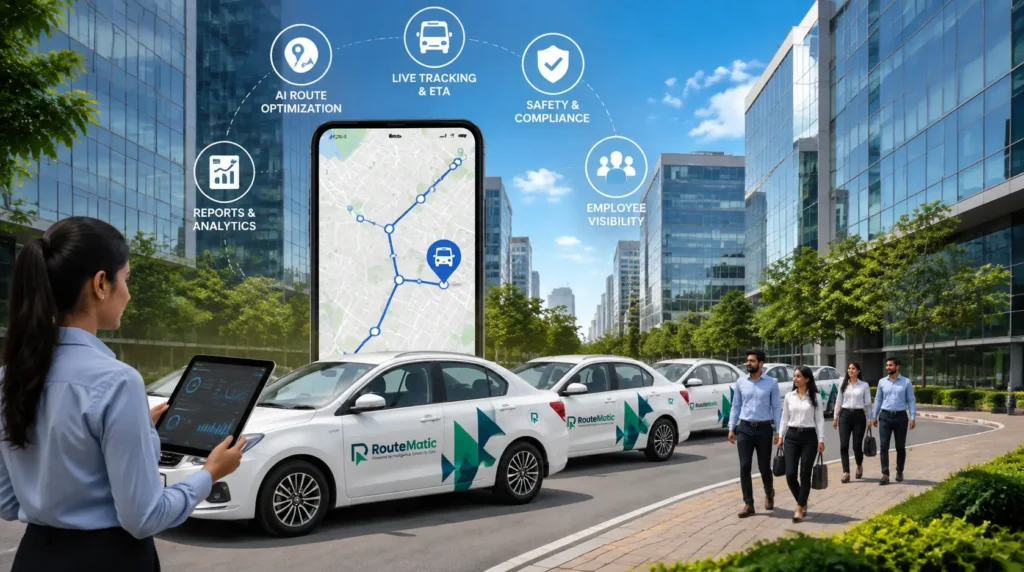
4. Technology Integration: Mobile apps for real-time updates, digital feedback mechanisms, and data analytics for continuous improvement.
The Procurement Checklist
- Start with employee surveys to understand pain points
- Define requirements based on feedback, not just cost
- Partner with tech-enabled providers
- Include experience metrics in vendor SLAs
- Create feedback loops for continuous improvement
- Monitor impact through data and satisfaction scores
Beyond Cost: The Business Case for Wellbeing
The biggest challenge? Justifying wellbeing investments when cost savings dominate performance metrics. As Pore noted, “Healthy employees build healthy businesses.”
The key is reframing from expense to investment:
Lower Absenteeism: Less stress means fewer sick days and unplanned leave.
Better Retention: Replacing an employee costs 50% to 200% of annual salary. Better experience means better retention.
Higher Productivity: Supported employees perform at higher levels consistently.
Reduced Burnout: Sustainable support enables sustainable performance.
Stronger Employer Brand: Organizations known for caring for employees’ needs attract better talent. Many wellbeing initiatives are cost-effective over their lifecycle. For example- Ergonomic furniture prevents long-term health issues. Better transportation reduces late arrivals and increases turnover. It’s not about spending more time but spending time wisely.
How to Measure Success Holistically?
Track employee satisfaction scores, retention rates and turnover cost avoidance, productivity metrics, safety incidents, program utilization rates, and Employee Net Promoter Score (eNPS). These metrics tell a more complete story than cost savings alone.
Sustainability: Where Planet and People Converge
As Pore observed, “Sustainability isn’t just about the planet. It’s about people.”
The power of green procurement lies in its twofold impact on the environment and on people. It drives measurable ESG progress through lower emissions, reduced fuel use, and quieter operations, while also building employee pride, value alignment, and a deeper sense of purpose within the workplace.
Research shows that younger generations prioritize purpose-driven workplaces. Environmental responsibility influences recruitment and retention. Employees want their work to have positive impact.
For transportation, this means EV adoption, hybrid vehicles as transitional solutions, route optimization, carbon offset programs, and transparent environmental reporting. Sustainability initiatives multiply employee morale by signaling that leadership cares about more than quarterly results. This values alignment drives deeper engagement and retention.
The Future: Human-First Procurement
Organizations that thrive will embrace human-first procurement, where every purchasing decision considers employee health and wellbeing.
The Vision
Every category examined through a wellbeing lens: cafeteria vendors selected for nutrition and quality, office furniture for ergonomic design, lighting for circadian rhythm support, transportation for safety and comfort, technology for accessibility, and facilities for air quality and cleanliness.
The Framework
1. People-Centric Vendor Selection: Evaluate suppliers based on employee impact, include wellness benefits in service offerings, and add experience metrics to scorecards.
2. Holistic Decision-Making: Consider wellbeing across all procurement categories.
3. Data-Driven Outcomes: Track health metrics alongside financial KPIs, monitor satisfaction and utilization, and analyze trends.
4. Continuous Improvement: Regular feedback mechanisms, quarterly vendor reviews, benchmarking, and iterative optimization.
Five Guiding Principles
- Listen First: Survey employees before vendor selection
- Measure Holistically: Track wellbeing outcomes alongside cost metrics
- Partner Strategically: Build relationships with values-aligned vendors
- Communicate Clearly: Ensure employees understand available benefits
- Iterate Constantly: Use data to continuously improve
The Path Forward
Procurement decisions profoundly impact employee wellbeing, and employee wellbeing directly affects organizational success. Organizations that embrace human-first procurement will attract and retain top talent, build stronger employer brands, achieve higher productivity, create resilient teams, and lead in corporate responsibility.
For Procurement Leaders: Audit vendor relationships through a wellbeing lens, include experience metrics in evaluations, and start with transportation. It’s the daily touchpoint that matters most.
For HR Partners: Collaborate with procurement on employee experience, share feedback data to inform decisions, and measure program impact.
For Operations Teams: Provide insights on employee pain points, support new solution implementation, and track holistic performance metrics.
For Organizations: Empower procurement to make human-first decisions, invest in wellbeing-focused solutions, and measure success holistically.
The question isn’t whether to invest in employee wellbeing through strategic procurement. It’s how quickly organizations can make this shift. Those who act now will build workplaces where employees don’t just work but truly thrive.
As Simon Sinek reminds us, “Leadership isn’t about being in charge. It’s about taking care of those in your charge.” For procurement professionals and organizational leaders, that principle has never been more relevant.