Across India’s evolving corporate landscape, the definition of responsibility is transforming. It is no longer just about growth and profitability, it’s about accountability to people, the planet, and governance frameworks. ESG (Environmental, Social, and Governance) standards have become a central yardstick for evaluating a company’s long-term value.
Amidst this transition, employee transportation services have emerged as a surprisingly potent lever for driving ESG sustainability.
In this blog, we delve into how structured employee mobility solutions contribute to ESG benchmarks and why forward-looking companies are increasingly integrating ESG transportation strategies into their broader sustainability frameworks.
The Unseen Environmental Impact of Employee Commutes
For years, daily office commute remained an overlooked contributor to corporate emissions. However, with Scope 3 emissions gaining prominence in ESG reporting, companies are now recognising that employee travel—especially in cities like Bengaluru, Gurugram, Hyderabad, and Pune—constitutes a significant carbon load.
Uncoordinated cab arrangements, personal vehicle usage, and low-occupancy travel modes collectively drive-up CO₂ emissions, fuel usage, and operational costs. Incorporating a centralised, tech-enabled employee transportation service mitigates these issues at scale, leading to measurable reductions in emissions and environmental burden.
By implementing fleet electrification, route optimisation, and trip pooling, organisations can drastically lower their transport-related carbon footprint—a critical milestone for ESG sustainability targets.
Social Value: Beyond the Commute
The ‘S’ in ESG often gets eclipsed by its environmental counterpart, but employee mobility offers a direct avenue to enhance the social dimension as well. A reliable and safe transportation network ensures inclusivity, particularly for women working late shifts or in remote office locations. It also improves overall employee well-being, reduces fatigue, and enhances punctuality, factors that correlate directly with employee retention and productivity.
Companies using structured employee transportation services have observed a marked improvement in workforce satisfaction. Employees are more likely to stay with an organisation that values their time, safety, and health. This isn’t just anecdotal; in-house surveys across the Indian IT and BPO sectors have consistently highlighted employee commute support as a top-five retention driver.
Governance and Transparency Through Technology
The ‘G’ in ESG often revolves around operational integrity and accountability. In employee mobility, this translates into audit-ready systems, route transparency, and regulatory compliance.
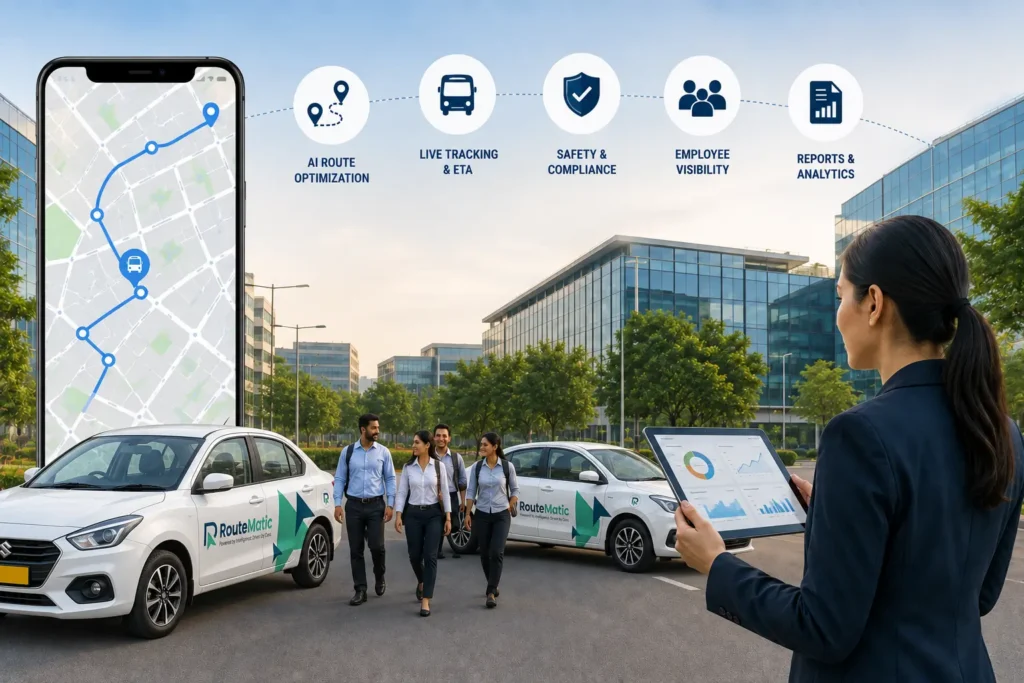
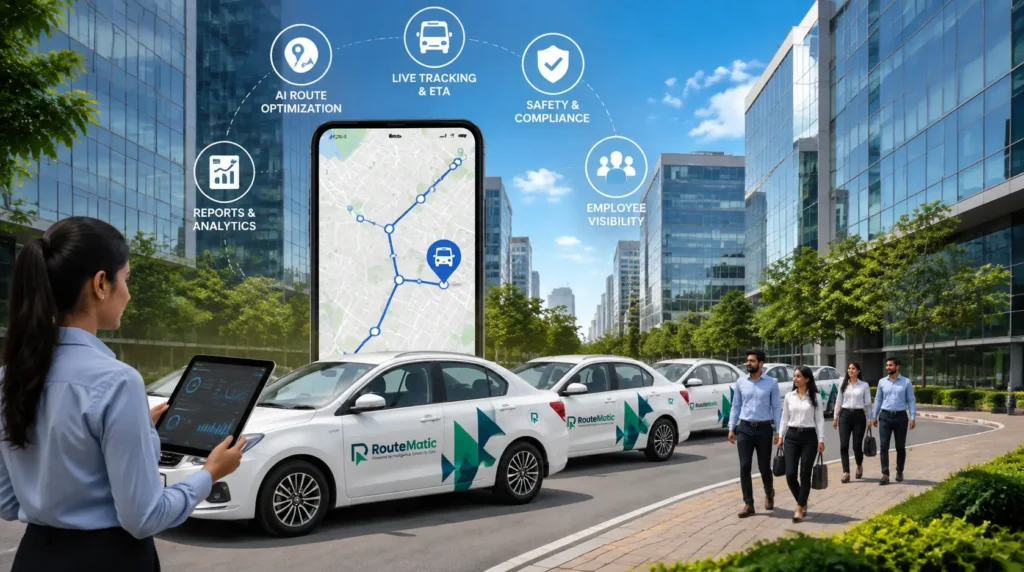
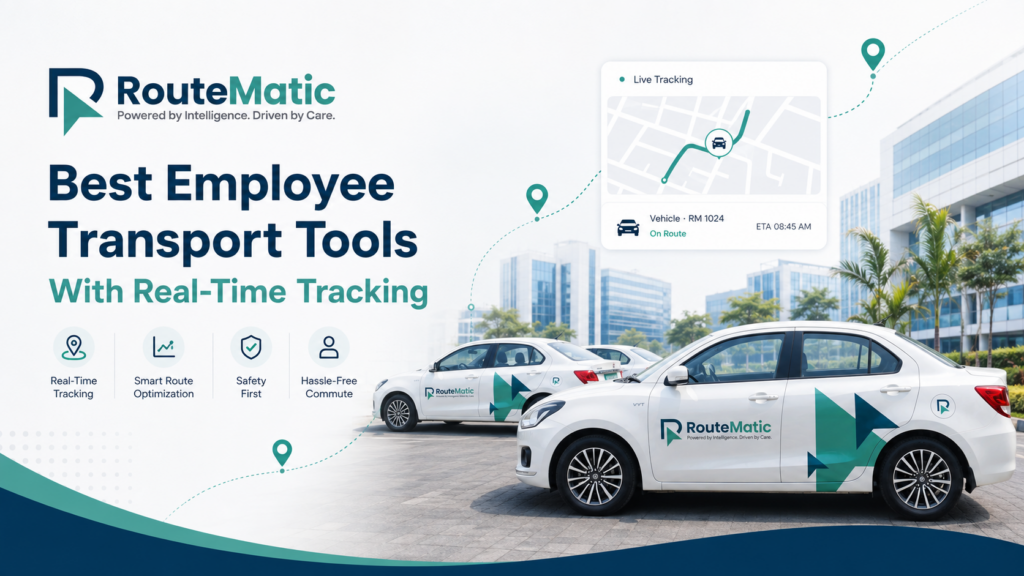
Front-runners like RouteMatic have elevated this standard through their intelligent transportation platforms. These systems provide end-to-end visibility into trip data, emissions metrics, driver behaviour, and cost structures, allowing HR, administration, and sustainability teams to integrate mobility data directly into ESG dashboards.
What was once a logistical backend function has now become a strategically governed system, aligned with broader corporate policies and external disclosures.
A Strategic Investment, Not an Operational Cost
For too long, transportation was viewed as a non-core operational necessity. But in a post-pandemic, ESG-driven world, it is being reimagined as a strategic investment with both internal and external returns.
Internally, it drives efficiency, morale, and safety. Externally, it boosts brand perception, compliance readiness, and investor confidence. Investors are increasingly scrutinising corporate ESG commitments, and initiatives such as EV adoption, carbon offsetting via shared shuttles, and verified sustainability reporting are no longer optional—they are decisive.
Indian enterprises that proactively adopt ESG transportation solutions are already finding themselves ahead of the curve. Whether through switching to electric fleets, mandating ride-sharing protocols, or deploying real-time tracking systems, each action compounds into ESG performance indicators that matter.
Conclusion: Redefining Responsibility Through Commute Culture
The future of corporate responsibility in India lies in aligning everyday operational decisions with global sustainability frameworks. And the commute, though once mundane, has proven to be one of the most powerful tools for change.
By reimagining employee transportation services through the lens of ESG sustainability, organisations are not just optimising routes or saving on fuel; they are building inclusive, transparent, and environmentally conscious enterprises. Platforms like RouteMatic have shown that it is possible to embed intelligence, compliance, and purpose into daily travel without compromising efficiency.
In a world where every choice contributes to a larger footprint, how employees reach their workplace can, and should, be a part of the sustainability conversation. The road to ESG excellence, quite literally, begins at the office gate.