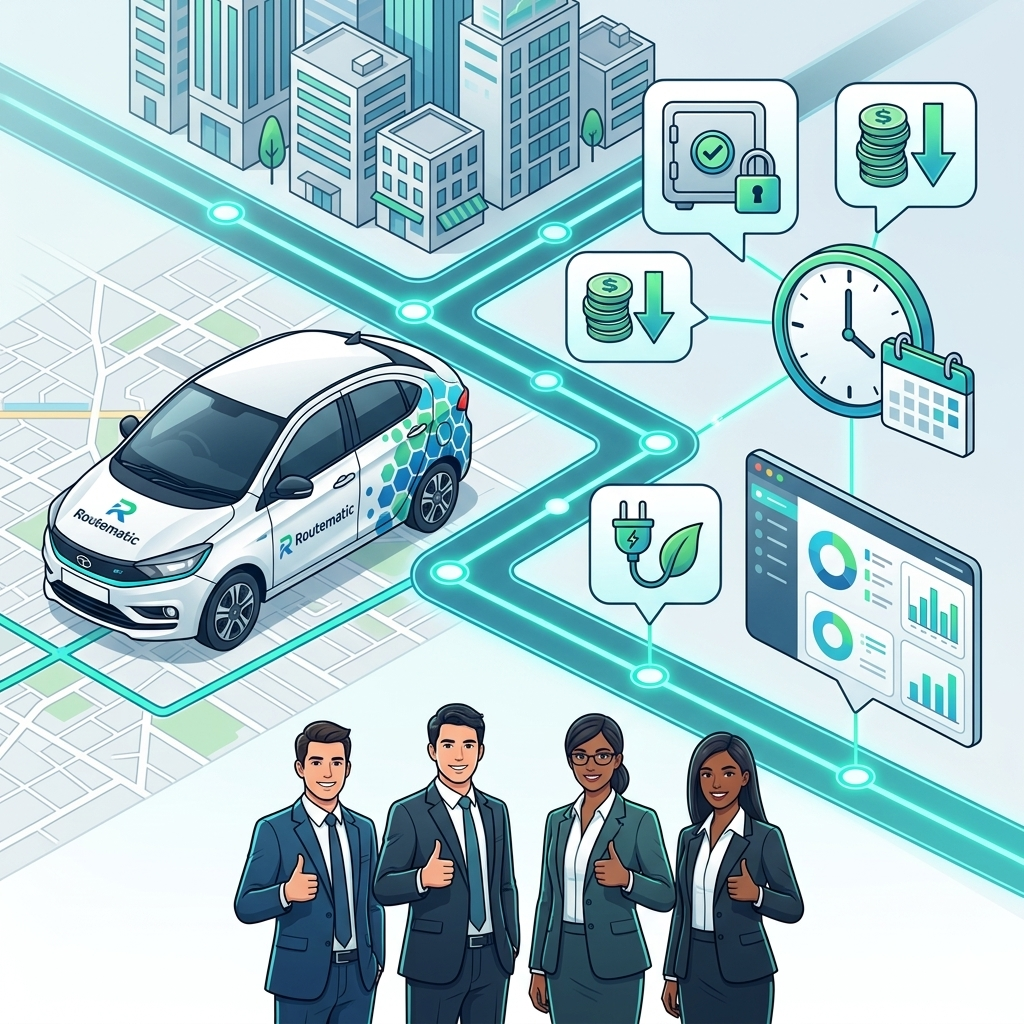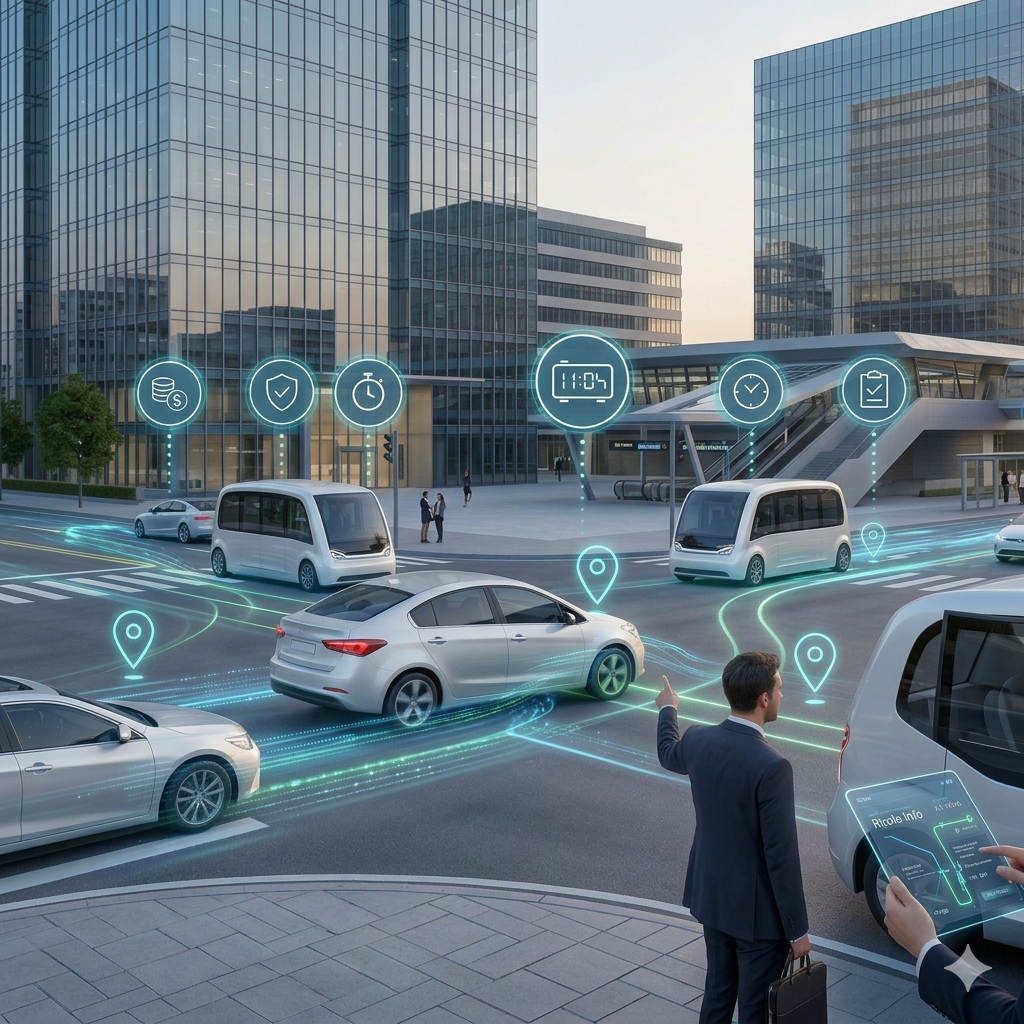
Managing daily employee commutes is no longer a simple operational task. It directly impacts safety, punctuality, productivity, and overall business efficiency. Companies with large workforces across multiple shifts need a structured, technology-driven approach to transportation. Without proper planning, costs rise and service quality drops. To understand how to manage employee transport in a corporate company, we break down practical strategies, challenges, and solutions to help organizations build a reliable, efficient transport system.
Defining Employee Transport Management in Corporate Operations
Employee Transport Management refers to the structured planning, coordination, and monitoring of employee commute operations within a corporate organization. It ensures that employees are transported safely and efficiently between their homes and workplace locations.
An Employee Transport Management System (ETMS) is a digital platform that automates the entire commute lifecycle. It manages route planning, cab allocation, shift-based scheduling, real-time vehicle tracking, driver management, compliance monitoring, and automated reporting.
Strong market trends support the growing adoption of technology-driven transport systems:
- The global corporate employee transportation service market was valued at approximately USD 38.46 billion in 2025 and is projected to reach USD 56.58 billion by 2030, growing at a CAGR of around 7.9%.
- The employee transport fleet management market is expected to grow from USD 4.85 billion in 2025 to USD 9.25 billion by 2030, expanding at a CAGR of 13.8%.
- The GPS fleet tracking market alone is forecast to grow from USD 4.17 billion in 2025 to USD 8.34 billion by 2032, reflecting increasing demand for real-time fleet visibility.
Why Employee Transport is Crucial for Corporate Companies
Employee transport today is not just about moving people from one place to another. It is about efficiency, safety, cost control, compliance, and long-term sustainability.
Streamlined Operations Through Automation
Manual transport coordination can be time-consuming and error-prone. ETMS platforms automate:
- Dynamic route optimization
- Shift-based vehicle allocation
- Centralized monitoring dashboards
- Instant rerouting during emergencies
Better Safety Framework
Safety remains a top priority, particularly for late-night operations and remote locations. Modern ETMS platforms include:
- Driver authentication and verification
- SOS and panic buttons
- Real-time GPS tracking
- Automated check-in and check-out systems
- Trip-sharing capabilities
Greater Cost Transparency and Control
Transport expenses can escalate without visibility. ETMS enables:
- Fuel-efficient route planning
- Ride pooling to reduce empty seats
- Data-driven elimination of redundant routes
- Automated digital billing and trip records
Complete Real-Time Visibility
Live tracking enables transport teams to monitor vehicle locations, trip status, delays, and route deviations. Employees benefit from:
- Real-time cab arrival updates
- Driver identification details
- Estimated arrival times
Environmental Responsibility
Optimized routes and shared rides reduce:
- Fuel consumption
- Total distance traveled
- Number of vehicles on the road
Regulatory Compliance and Audit Readiness
Digitized transport systems simplify compliance management through:
- Driver duty logs
- Vehicle documentation tracking
- Digital trip records
- Secure employee data handling
Scalability for Growing Operations
An ETMS adapts to expanding workforces, multiple office locations, new vendors, and evolving hybrid work patterns without increasing manual workload.
Seamless System Integrations
Modern ETMS platforms integrate with:
- HRMS for shift and attendance data
- Payroll systems for driver payments
- Access control systems
- Finance platforms for billing synchronization
Key Challenges in Managing Employee Transport
Passenger Safety and Regulatory Compliance
Ensuring passenger safety is a primary concern in corporate transport operations. Companies must verify drivers, maintain vehicle documentation, and regularly monitor routes. For night shifts and long-distance travel, additional safety measures are necessary. At the same time, organizations must comply with transport regulations, driver working hour limits, and data protection standards. Managing safety and compliance manually can be difficult and risky.
Rising Operational Costs
Transport management involves fuel expenses, vendor payments, vehicle maintenance, and administrative coordination. Fuel price inflation further increases the financial burden. Without proper tracking and reporting, companies may face cost leakages and inefficient budget planning.
Lack of Real-Time Visibility
Without live tracking systems, it becomes hard to monitor vehicle movement and trip progress. Delays, route deviations, or emergencies may not be identified quickly. Limited visibility reduces control over daily operations and increases dependency on manual communication.
Route Planning and Optimization
Designing efficient routes for multiple pickup points and shift schedules is complex. Poor route planning results in longer travel times, higher fuel consumption, and lower vehicle utilization. This directly affects both cost and punctuality.
Billing and Vendor Management Issues
Manual billing and trip reconciliation can create discrepancies and delays. Managing multiple transport vendors without digital records increases administrative workload and reduces financial transparency.
Employee Productivity and Experience
Unreliable transport services cause delays and stress. Frequent pickup issues or poor communication can affect punctuality and employee morale. A poorly managed commute system eventually affects productivity and overall job satisfaction.
Step-by-Step Guide to Managing Employee Transport
Step 1: Understand Your Transport Requirements
- Start by mapping your workforce details.
- Identify the number of employees who require transport, their pickup and drop locations, and their shift timings.
- Night, rotational, and hybrid schedules must be accounted for separately.
- This initial assessment helps determine the number of vehicles required, route clusters, and peak hour demand.
Step 2: Define Clear Transport Policies
- Set clear guidelines for eligibility, safety standards, and usage rules.
- Decide who qualifies for company transport, how bookings or cancellations work, and what happens in case of no-shows.
- Document policies around driver verification, emergency response procedures, and complaint resolution.
Step 3: Plan and Optimize Routes
Group employees based on geographic clusters to reduce unnecessary travel distance. Efficient routing reduces fuel consumption and ensures timely arrivals.
Routes should be reviewed regularly. As employee addresses or shift timings change, routes must adapt. Static planning often leads to wasted trips and empty seats.
Step 4: Implement Real-Time Tracking
Install GPS tracking in all vehicles and enable live trip monitoring. Real-time visibility allows quick response to delays, breakdowns, or route deviations.
Employees should also receive updates about cab arrival time and driver details. Transparency reduces uncertainty and improves trust in the system.
Step 5: Automate Scheduling and Allocation
Manual allocation becomes difficult as the workforce grows. Use a digital system to assign vehicles based on shift data and route logic. Automation helps avoid duplicate assignments and last-minute confusion. It also supports quick adjustments during emergencies or sudden shift changes.
Step 6: Focus on Safety and Compliance
Verify driver credentials, maintain vehicle records, and track duty hours. Regular audits ensure that safety standards are not compromised. Emergency features such as panic alerts and escalation procedures should be built into the system. Safety must remain a continuous priority, not a one-time setup.
Step 7: Monitor Costs and Performance
Track key indicators such as fuel usage, vehicle utilization, on-time performance, and cost per trip. These metrics highlight inefficiencies and help control expenses. Regular reporting ensures that transport operations remain within budget while maintaining service quality.
Step 8: Collect Feedback and Improve
Encourage employees to share feedback about punctuality, safety, and service quality. Review complaints carefully and resolve recurring issues quickly. Transport management is not static. Continuous improvement keeps the system efficient, reliable, and aligned with business needs.
Role of Technology in Automating Corporate Transport Management
Artificial intelligence in the transportation market is witnessing rapid growth. The strong growth reflects increasing adoption of AI-driven technologies such as route optimization, predictive maintenance, autonomous systems, and real-time fleet analytics across the transportation industry. In fact, employee transport management software cuts costs & improves employee commutes.
1. Automated Route and Roster Management
Advanced systems use AI-based algorithms to design efficient routes and schedules. These tools consider:
- Employee pickup and drop locations
- Shift timings
- Seat occupancy levels
- Traffic patterns
- Distance optimization
2. Live Tracking and Monitoring
Real-time GPS tracking allows continuous monitoring of vehicle movement. With live tracking, organizations can:
- Monitor trip progress
- Detect route deviations
- Identify delays
- Respond quickly to breakdowns or emergencies
3. Greater Transparency Through Admin Dashboards
A centralized admin console gives a complete overview of transport operations. Key features include:
- Trip scheduling and allocation
- Fleet vendor management
- SOS alert monitoring
- Vehicle usage tracking
- Fuel consumption insights
- Seat occupancy reports
4. Ease of Use with Mobile Applications
Modern employee transport systems offer mobile apps for both employees and drivers.
For employees, the app provides:
- Upcoming trip details
- Pickup time and location
- Driver and vehicle information
- Live vehicle tracking and ETA
- Trip change notifications
- Feedback and rating options
For drivers, the app enables:
- Optimized route access
- Scheduled pickup and drop details
- OTP-based employee verification
- Trip start and completion updates
5. Data-Driven Decisions Through Reports and Analytics
Analytics tools convert transport data into actionable insights. Reports can include:
- Vehicle utilization rates
- Average travel time
- Fuel consumption patterns
- Cost per trip
- Employee feedback trends
6. Enhanced Safety and Compliance
Technology strengthens safety measures across the transport ecosystem. Key safety features include:
- Real-time vehicle tracking
- Driver verification processes
- OTP-based trip authentication
- SOS and panic alert systems
- Digital driver duty logs
How Routematic is Transforming Corporate Employee Transportation
Routematic is India’s fastest-growing corporate commute service, offering end-to-end employee transportation management through a standardized fleet operated via a centralized 24×7 command center and powered by state-of-the-art technology. The fleet is fully integrated with advanced technology to ensure efficient allocation, real-time monitoring, and operational transparency.
Key capabilities include:
- Centralized fleet monitoring and trip tracking
- Real-time vehicle visibility and performance insights
- Standardized fleet deployment across locations
Strong Focus on Safety
Safety remains a core priority. Vehicles are equipped with GPS tracking and panic buttons. The system enables monitoring of women-only trips and sends alerts for rides that require additional security oversight. Only verified drivers and compliant vehicles are deployed for trips. Read this guide about safer commutes to empower women.
Smart Dispatch and Automated Deployment
Routematic’s AI-powered dispatch system predicts delays up to two hours in advance. Vehicles are automatically allocated based on proximity, availability, and shift requirements. This ensures optimal utilization and reduces manual coordination.
24×7 Command Center Support
A centralized command center operates around the clock to monitor trips, manage contingencies, and provide immediate support whenever required.
Flexible and Transparent Billing
Organizations can choose from multiple billing models based on operational needs. Digital tracking and automated records ensure transparency and better financial control without long-term commitments.
Key Service Offerings
- Dynamic Shift Transport for organizations with rotating or complex shift schedules
- Fixed-Route Transport for office shuttles and inter-office bus operations
- Parking Solutions with booking systems, access control, and real-time occupancy tracking
- Corporate Car Rentals for airport transfers and short or multi-day rentals
Technology-Driven Advantages
- AI-Driven Optimization for real-time route planning
- Cloud-Based Platform for remote access and management
- Cost-Effective Operations through optimized routing and scheduling
- Eco-Friendly Fleet Options, including electric vehicles
- Scalable Infrastructure to support growing workforce requirements
FAQs
Technology enables route optimization, live tracking, automated scheduling, safety monitoring, and cost control, making transport operations more efficient and transparent.
Costs can be reduced through route optimization, ride pooling, fuel monitoring, automated billing, and data-driven performance analysis.
Essential measures include GPS tracking, driver verification, panic alerts, real-time monitoring, and digital trip records for compliance.
Reliable, timely pickups reduce commute stress, prevent delays, and help employees start work on time, thereby improving overall productivity.
Companies should evaluate solutions based on scalability, real-time tracking, safety compliance features, integration with shift systems, data reporting, and overall cost efficiency. A centralized, technology-driven platform with measurable performance metrics enables better operational control and informed decision-making.